

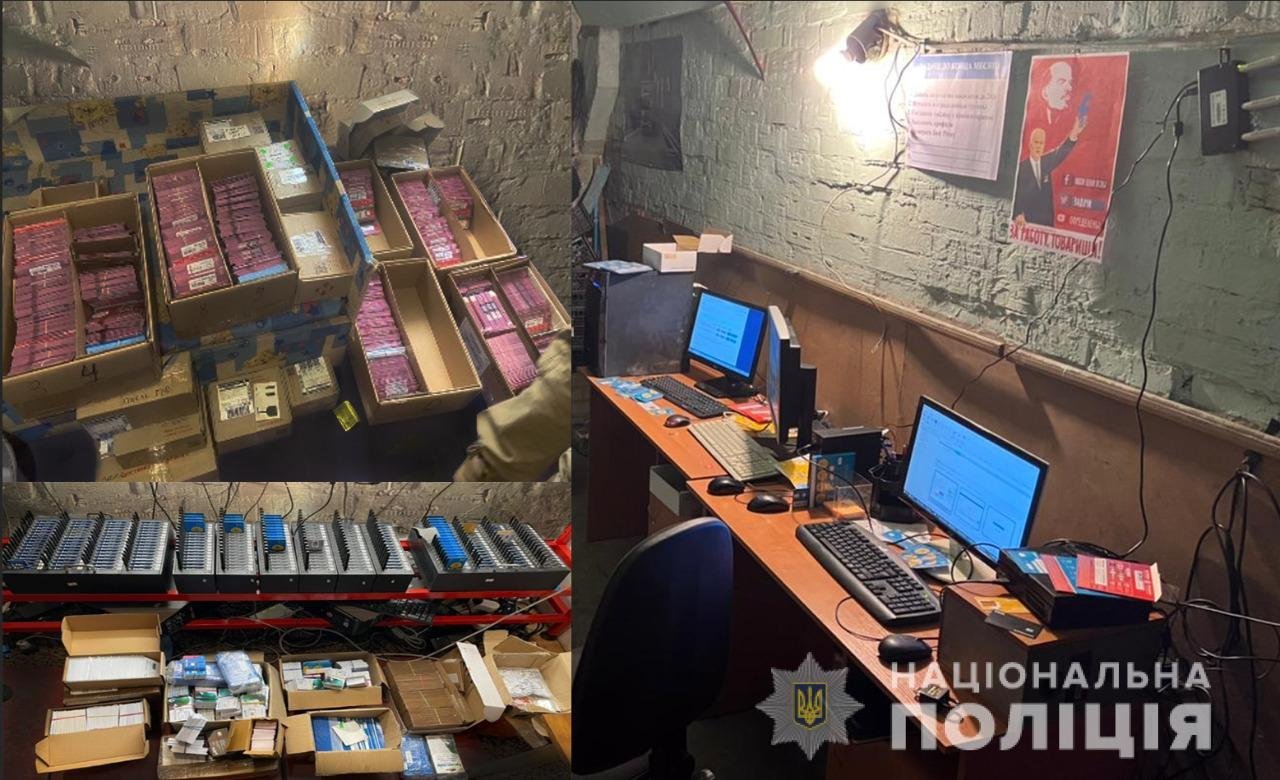
Russia turned social media into a field of operations against “Anglo-Saxon information dominance”. The article describes the Internet Research Agency and the methods of Russian troll farms.
“End the Anglo-Saxon monopoly over global information flows!” It all began with this instruction Putin gave in 2013. Immediately afterwards, all social media platforms, above all YouTube, Facebook, Instagram and Twitter, became an operational area of interest for the Russians.
Today it would be no exaggeration to say that “the Russians invented designing politics through social media”. The Russians, who set up a big-budget agency called the “Internet Research Agency” (IRA), known in Russia as Glavset, purely for social media operations, first shed their amateurism by hacking e-mails. They began their social media operations by getting briefings from Cambridge Analytica. The first subject: How do I influence the American voter? You already know the allegations that followed. Mark Zuckerberg, testifying in the US Senate on whether the Facebook accounts of 126 million voters had really been stolen, could do nothing but hang his head. Then, embarrassed, he managed to say: “Yes, this is possible!”
The criminal record of the agency called the IRA, which the Americans call a “troll farm”, is quite long. Its foremost feats, as you might guess, are the Ukrainian and US elections.
The journal Joint Force Quarterly also pointed directly at Russia on social media engineering. Its exploits are endless. Making fake bomb threats to important companies or institutions of target countries, blaming murders committed in the country on the opposition, producing false news to make the economy look good or to cover up political failures (These must sound familiar to you from somewhere.)
There is talk of hundreds of people blending sociology and social media who start their day at the computer at a level of devotion along the lines of “we’ll hack away and bait away, just point out the target, boss”. According to a former employee of this agency, the Russians’ ability to control the media ecosystem would put the world’s information technology giants to shame. Psychological hacking, profiling people with psychometrics and spreading news with web spiders (bots or robot software) are among the methods that worry American cybersecurity experts.
According to American cybersecurity experts, being active on social media is very important for the controlled spread of information. Russia frequently resorts to collecting information about the target audience, establishing dominance on platforms such as YouTube, Facebook or Twitter, deceiving the media with manipulative news, and making sure a story appears on many different sites and platforms, thereby increasing its credibility.
According to research, a sensational fake story spreads on social media six times faster than a true story. Russia, which knows this very well, even managed to “troll” one of America’s most extensive exercises. It would probably have been surprising if Russia, which spreads conspiracy theories especially on controversial subjects such as Islamophobia, had missed this charismatic exercise America held on its own soil. Russian social media experts spun the two-month special forces exercise, held simultaneously in seven states, in such a way that both its scope and its success were overshadowed by conspiracy theories. Some believed the exercise was an operation to take dissidents from their homes, others that citizens’ personal weapons would be confiscated. It was even claimed that martial law had been declared and that power had changed hands in a fascist coup. Although the soldiers said “We confiscated nothing, there’s no coup, don’t be ridiculous”, all that remained of the exercise were the chilling claims the public believed.
The easiest way to spread false news on Twitter is not, as one might think, to bombard millions with tweets. Russian experts can reach millions by getting influential people to retweet fake news. This makes the story more credible. For example, in the 2016 US elections many senators, writers, journalists and even Trump’s son contributed, without realising it, to the spread and credibility of the false news they retweeted.
In recent years a Twitter account that was soon found to be fake was used to reach wide audiences, and this counts as one of the most common methods. First a Twitter profile belonging to a retired US Air Force officer was created. Some government officials, and even influential figures in the Trump administration such as Sebastian Gorka and Michael Flynn, began following this account over time. As you might expect, the sensational stories and inside information posted from this account reached people more credibly and quickly. Including in the operation details from the hacked e-mails of important figures strengthened the claims even more. The simultaneous sharing on YouTube and Facebook of stories supporting these claims was the last straw for one citizen. What happened next? An American who believed the unproven claims took his rifle and opened fire on the restaurant that had been made a target.
According to the conspiracy theory expert Ilya Yablokov, the Russians’ primary aim is to wear down adversaries such as the US government. Of course, this aim belongs to rather earlier times, to the Soviet era. The new aim is control of information in general. It confirms the information it wants and denies what it wants. It spreads the information it wants quickly around the world. And it defuses and destroys what it wants.
If you ask where Turkey stands in social media operations, it is certainly not at the helm. According to Pew research, the rate of following social media in countries like Turkey is around 50 per cent. This is one of the factors that affect how fast fake news spreads among the public. But the situation in Turkey is a subject for an entirely different study. You might even think that making big investments in intricate work such as social media engineering to steer or deceive the public would be a waste. Unless you say “No expense is spared on lies”, that is.
Monthly · free
Compass of the Month
PUGAT’s monthly newsletter.
Read next


What is PUGAT? A non-profit community publishing independent analysis from Europe on security, migration and society in Turkish, German and English.
Go to the homepage
