

Hamas’s attack of 7 October and Israel’s response have pushed the region into a deadlock. Whether the war widens depends on the steps taken by Hezbollah and therefore by Iran.
On 7 October, Hamas launched an unexpected attack on Israeli territory that shocked everyone. More than 1,200 Israeli citizens were killed in the attack. Israel then imposed a total blockade on the Gaza Strip and responded to Hamas’s act of terror with fierce air strikes. According to the latest official figures, nearly 2,000 people, including children and women, have been killed. Some 1.5 million displaced people have also gathered in the south, at the Rafah crossing to Egypt. Egypt is keeping the Rafah crossing closed because of the Israeli air strikes. Although Israel has said it does not intend to halt its air campaign, arguing that Hamas militants would flee to Egypt among the civilians, the efforts of the UK and the US to have the crossing opened have not gone unnoticed.
The war in Gaza is one of the fiercest clashes between Hamas and Israel since the 1980s. Both sides state clearly that there is no solution other than arms. What awaits us is a process in which third parties will determine where the fighting between the two sides evolves. The US, Iran, Russia, Syria, Turkey and the UK certainly have interests in the course of this war.
Whether Hezbollah will actively join the fighting is one of the biggest questions. Why does this matter so much? Because if Hezbollah strikes Israel, the scale of the war will automatically grow. Israel will directly strike Hezbollah targets in Lebanon and Syria. Once Hezbollah is hit, Iran will also be drawn into the conflict. In fact, from the first minutes of the attack the widespread belief has been that Iran supported the Hamas operation materially and operationally. But there is as yet no concrete information reflected in intelligence reports available in open sources.
Iran joining the fighting through Hezbollah would mean Israel taking direct action against Iranian targets in Syria. Israel showed it would not hesitate on this with its air strike on Aleppo Airport on 12 October. The choice of Aleppo as a target was a direct message to Iran.
To explain: between 1 and 7 October, Syrian Airlines flew to Tehran 3 times. In the last six months of last year, Syrian Airlines operated 14 flights between Tehran and Damascus.
It is also known that Syrian Airlines uses Aleppo Airport as its main operating hub. Last March the Israeli air force struck a weapons depot at Aleppo Airport on the grounds that it belonged to Iran.
In response to these developments, Iran conveyed its support for Hamas at the highest level on 14 October, when its foreign minister met the Hamas leader in Doha.
After this meeting, a decision was taken to redeploy Iran’s Revolutionary Guards in Deir ez-Zor further south, towards Syria’s border with Israel.
Will Israel Enter Gaza?
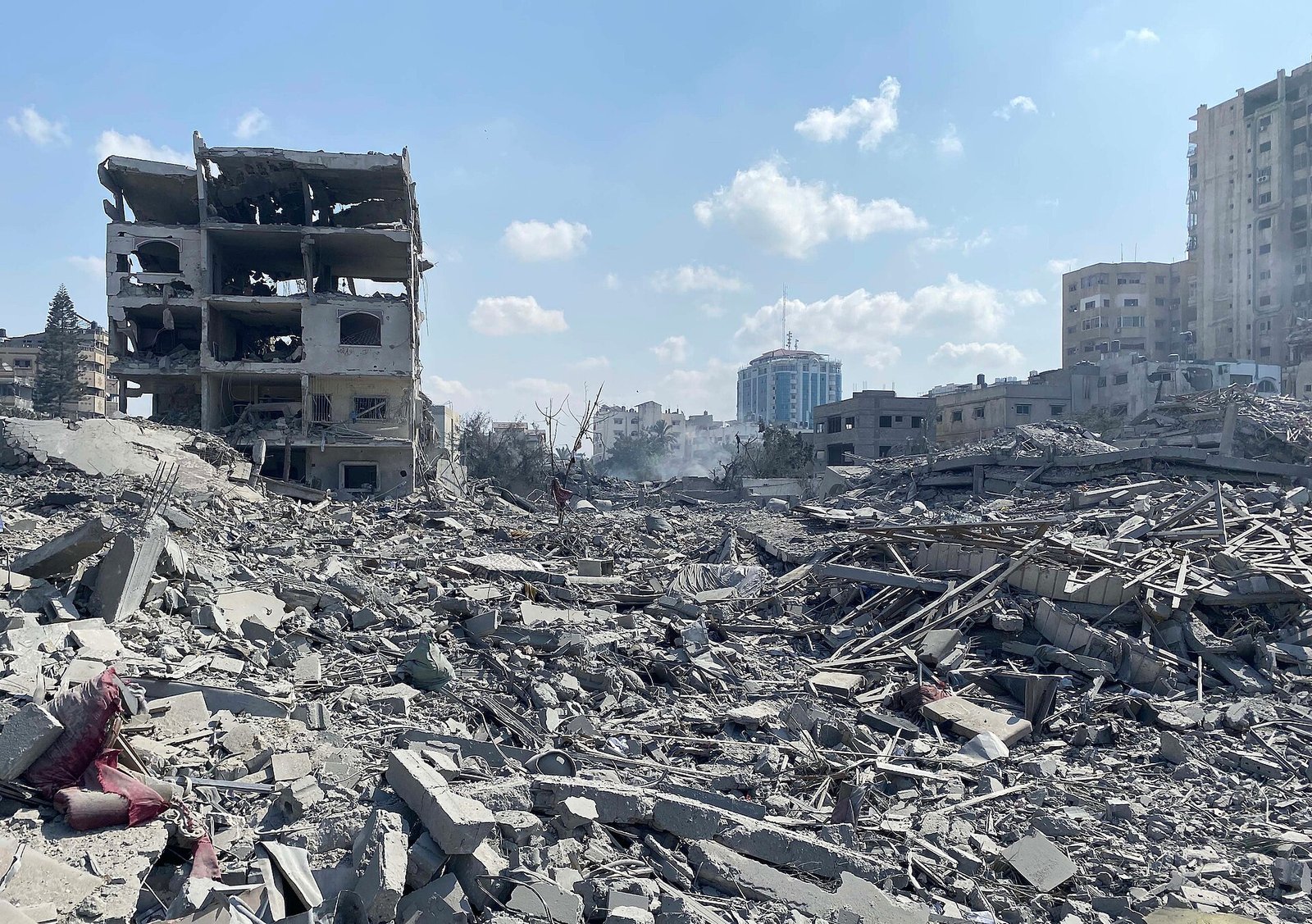
Satellite images show that Israel has concentrated its air strikes in the north of the Gaza Strip. On this basis, it can be assessed that Israel’s ground forces are planning an operation with the north of Gaza as its centre of gravity.
The images also show that Beit Hanoun, the northernmost town, has been almost completely razed. The main reason for bombing on this scale is to prepare the towns where urban fighting will take place for the ground forces.

The ground forces entering Gaza will make urban warfare inevitable. In terms of weapons, equipment and experience, the Israeli army is one of the armies best at urban combat. But facing it is Hamas, which despite limited means has inflicted heavy losses on the powerful Israeli army for years. Hamas’s tunnel and intelligence techniques have entered the literature on urban warfare. They are even imitated by many organisations. The PKK, for example, regards Hamas as an operational role model because of the techniques it uses.
Returning to the subject, as the Israeli army prepares to launch a multi-directional attack from land, air and sea, it is also carrying out targeted operations against leading Hamas commanders.
Israel has so far announced that it has killed in targeted operations Murad Abu Murad, who commanded Hamas’s air and rocket forces, Ali Qadi, who led the massacre of 7 October, and Bilal al-Qedra, a senior Hamas commander in Gaza.
The Israeli Ministry of Defence announced that 300,000 reservists are also ready to occupy Gaza. Some of these soldiers’ equipment shortages and other needs are being met by donations from civilians.
Conclusion
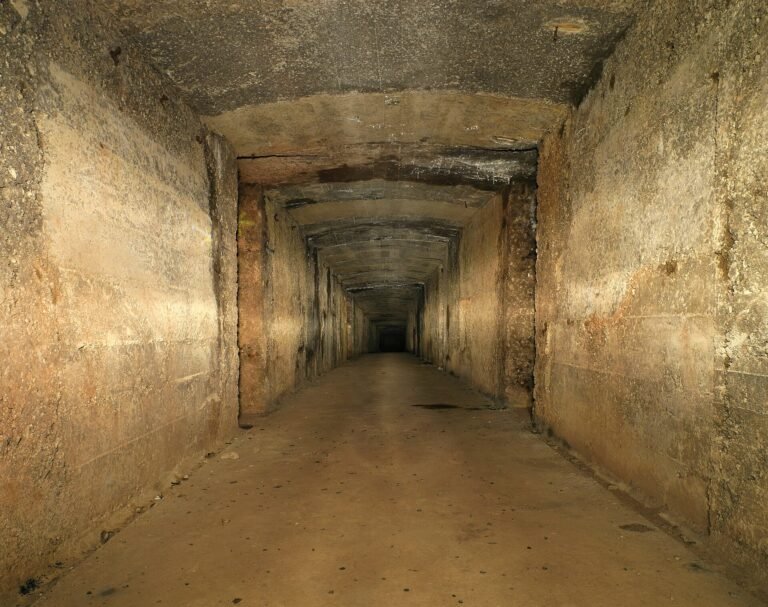
Hamas, which clearly has home advantage in Gaza, has kilometres of extensive tunnel networks and has probably set up traps, explosive devices and fortified positions across the area. The material and moral cost of the war in Gaza will be very high and merciless. And it is almost certain that this war will last at least several months. Whether Israel wants to “own” the Gaza Strip as it “owns” the Golan Heights is open to debate. The intense bombardment of northern Gaza from the air and land increases the likelihood that Israel will send a significant ground force into the area.
Monthly · free
Compass of the Month
Once a month: five points from Europe’s security and migration agenda and the month’s PUGAT articles, in your inbox.
Newsletter sign-up opens soon.
Read next
What is PUGAT? A non-profit community publishing independent analysis from Europe on security, migration and society in Turkish, German and English.
Go to the homepage
