Series · Migration and Integration
Introduction to Migration
Orhan Turan
- Parts
- 6
- Years
- 2025–2026
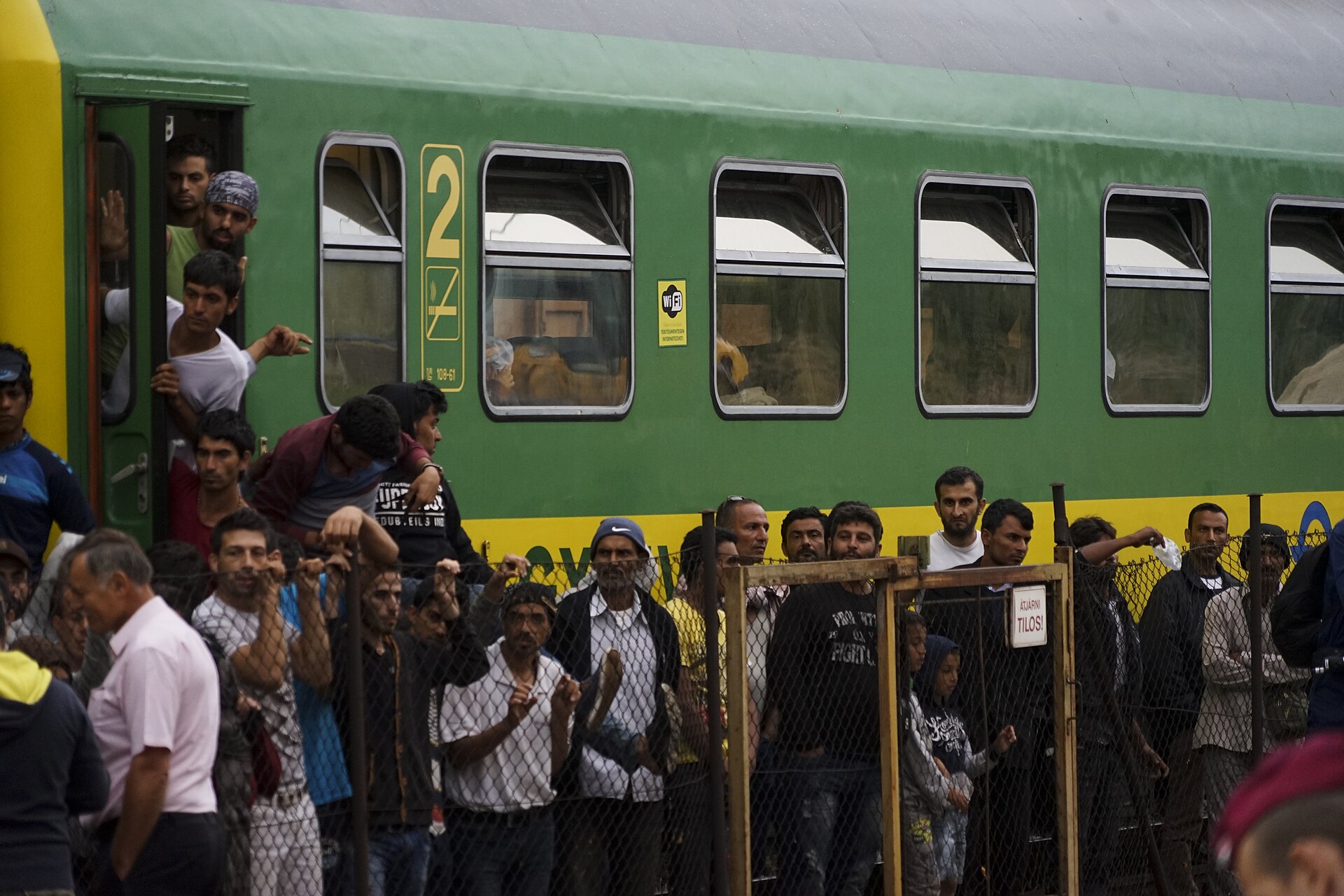
Görsel: Mstyslav Chernov / Wikimedia Commons, CC BY-SA 4.0
Parts · in order of publication
The Journey of Humanity: The Concept of Migration
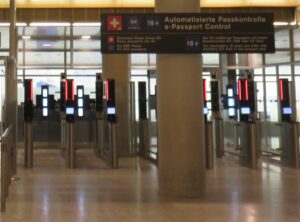
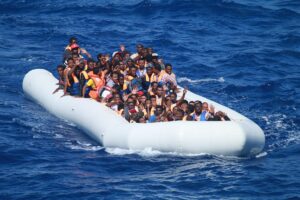
The human story of migration begins at birth and ends at death. The first article in the “Introduction to Migration” series looks at the definition and types of migration: internal and external, voluntary and forced, permanent and seasonal.
Why Do People Migrate?
The reasons that push people to migrate and make a country attractive: economic opportunity, education, political oppression, demography and climate. Emigration from Turkey has also risen markedly in recent years.
Basic Concepts Related to Migration – 1
The first step to understanding migration is mastering its concepts. Basic terms such as country of origin, transit and destination, brain drain and brain gain, and what they mean in everyday life.
Basic Concepts Related to Migration – 2
Migrant, irregular migrant, refugee, asylum seeker, conditional refugee… These concepts are used interchangeably in everyday language, yet in law they mean different rights and obligations.
Global Migration Trends and the European Context
One in every thirty people in the world is a migrant; forced displacement fell in 2025 for the first time in a decade but still stands at nearly 118 million. Europe is at the centre of this movement: first residence permits issued by the EU reached a ten-year high in 2023.
The Direct Impact of Migration on Europe’s Population, Integration and Society
In Europe deaths outnumber births; it is migration that keeps the population going. Contrary to populist rhetoric, the figures for Germany and the Netherlands show how dependent these countries are on migration.