Cross-Border Operations in Syria (1): A General Assessment
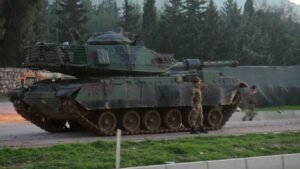
Turkey’s cross-border operations in Syria, from Shah Euphrates to Claw-Sword. The introductory article of the series examines what the operations have in common, above all their timing.

Topic
Security policy, counter-terrorism, intelligence and defence in Europe and Turkey, from the individual’s sense of security to the strategies of states.
Turkey’s cross-border operations in Syria, from Shah Euphrates to Claw-Sword. The introductory article of the series examines what the operations have in common, above all their timing.
The parameters of Turkey’s Syria policy raise serious concerns: the use of intelligence as a political tool, relations with jihadist groups and weaknesses in border security.
From brother Assad to Assad the murderer: Turkish–Syrian relations have never followed a straight line since the 1980s. This part examines the parameters that shape the relationship.
There are no winners in the war that has raged in Syria since 2011. Policies that misread the Arab Spring brought Turkey to a point where it contributes neither to ending the bloodshed nor to border security.
In 2022 signals of a meeting with Assad began to come from Ankara. At the same time, preparations for a new cross-border operation were being made in full public view.
Shells landing in Akçakale in 2012, Patriot missiles and allegations of support for the opposition: the period in which tension between Turkey and Syria escalated.
With the Arab Spring reaching Syria, Turkish–Syrian relations broke down. The years 2011–2022 were a period in which Turkey became isolated in the region.
Relations that improved with the 1998 Adana Agreement rose to the level of “brotherhood” after 2002. The zero-problems policy and the 1 March motion prepared the ground for this rapprochement.
A 911-kilometre border, family ties and chronic crises: before 2002 Turkish–Syrian relations were shaped by the issues of Hatay, water and the PKK.
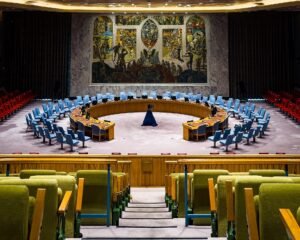
Russia’s invasion of Ukraine has again brought to the fore the inadequacy of the UN, and especially the Security Council, in preventing conflicts. Pope Francis’s call stood out in the reform debate.
The League of Nations could not preserve peace between the two world wars. The war in Ukraine raises the question of whether the UN will share a similar fate.
After the attack on İstiklal Avenue, the real question is this: was there intelligence about the attack, and if so, what measures were taken? The author calls for accountability.
The shadow of the 1995 killing of Colonel Rıdvan Özden falls on today’s politics. Starting from a YouTube interview, the author questions the dark reckonings of an earlier era.
The war in Ukraine has increased the importance of the Middle Corridor, which bypasses Russia in China’s Belt and Road project. This makes Turkey a critical transit country.
Terahertz imaging systems integrated into UAVs promise to detect weapons and explosives from a distance and so distinguish more accurately between the innocent and a threat.
Topics
Latest articles