

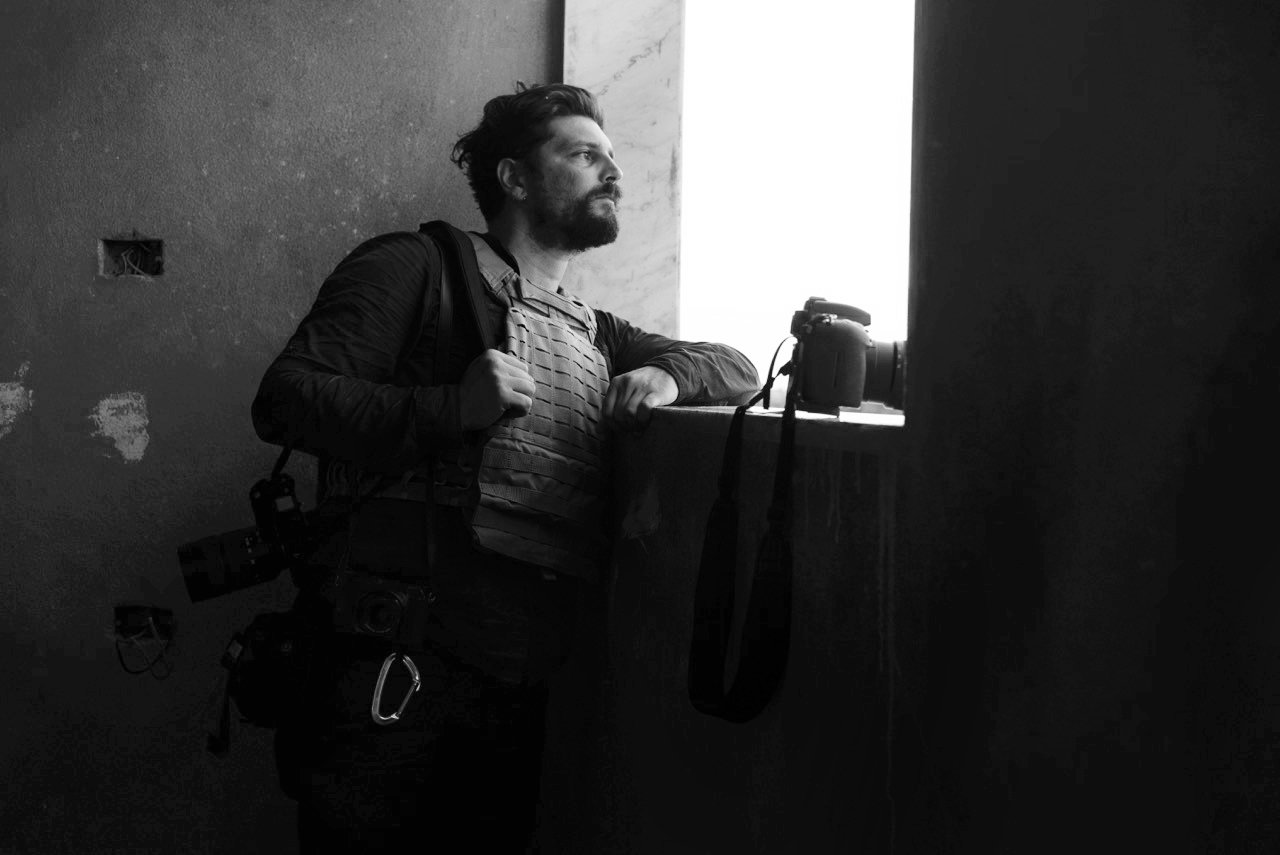
Shells landing in Akçakale in 2012, Patriot missiles and allegations of support for the opposition: the period in which tension between Turkey and Syria escalated.
– Turkey’s Syria Policy –
A report broadcast by the BBC in August 2012, based on statements by an FSA member, alleged that Syrian opposition fighters were being trained in Adana and sent into Syria. Independent correspondent Robert Fisk reported that Turkish militants were among the opposition fighters battling Assad’s forces in Aleppo. Syria, for its part, stating that Turkey’s violations had played a part in derailing the Kofi Annan peace plan, accused Turkey of supporting armed formations entering the country illegally.

Two Shells, Five Dead
Another strategy Turkey pursued in this period, besides supporting the opposition, was bringing military means into play. On 3 October 2012, two shells fired from the Syrian district of Tel Abyad landed in the border district of Akçakale in Şanlıurfa, killing five people and wounding ten. Exercising its right of “self-defence”, Turkey responded the same day by firing on Tel Abyad with T-155 Fırtına howitzers.

Following these movements on the border, Turkey applied to NATO on 21 November 2012 for Patriot missiles to be stationed on the Syrian border. Turkey’s request was accepted on 4 December 2012 with the guarantee that they would be used only for defence. On 26 January 2013 the first batteries sent by the US, Germany and the Netherlands began to be deployed in Adana, Kahramanmaraş and Gaziantep. With these steps Turkey played the NATO card as a trump against Syria, expecting NATO to be on its side in this crisis.
Cilvegözü / Car Bomb: 14 Dead, 30 Wounded

In this period, attacks with car bombs in the border region began to attract attention. The first of these took place on 11 February 2013 at the Cilvegözü border gate, controlled by the FSA. Fourteen people, four of them Turkish citizens, were killed and thirty wounded in the attack. After the incident, then Interior Minister Muammer Güler claimed that the suspects had links to Syrian intelligence and the Syrian army.
The Reyhanlı Explosion: 52 Dead, 155 Wounded

The attack of 11 May 2013 was carried out by detonating two car bombs in Reyhanlı, Hatay. It was announced that 52 people lost their lives and 155 were wounded in this attack. After the incident, Interior Minister Güler again claimed that the attack had been carried out by the Syrian intelligence unit Mukhabarat, but Syria rejected these claims.
The Turkish police announced that the perpetrators had carried out the attack with logistical and financial support, in connection with officers serving in the intelligence service of the current Syrian regime and with Mihraç Ural, leader of the THKP/C Acilciler terrorist organisation.
Syrian Helicopter Shot Down
On 16 September 2013, a Syrian Mi-17 helicopter reported to have violated Turkish airspace by 2 km in the Yayladağı area of Hatay was hit by a missile from Turkish fighter jets and shot down. After this incident, the Grand National Assembly extended the government’s mandate to send troops abroad against threats from Syria until 4 October 2014.
Syrian Warplane Shot Down
On 23 March 2014, in a similar way, a Syrian MiG warplane said to have entered Turkish airspace was shot down by a Turkish F-16 on air patrol. While the Syrian side naturally stated that there had been no violation, Erdoğan declared: “If you violate my airspace, from now on our slap will be heavy.”

Turkey’s relations with the Syrian opposition gave rise to much speculation, especially in 2012 and after. It was alleged that Turkey not only helped the opposition to organise but also supplied weapons and ammunition. On 18 December 2013 the Turkish Foreign Ministry denied claims that arms and ammunition were being exported to Syria.
MİT Trucks Head for Syria
Less than two weeks after this statement, on 1 January 2014 in Kırıkhan, Hatay, and on 19 January 2014 in Ceyhan, Adana, trucks allegedly belonging to MİT and carrying military ammunition bound for Syria were stopped by the Turkish gendarmerie. These two incidents, in which it was caught red-handed by its own law enforcement, at first stunned the AKP regime.

After the scandal, it was denied that the trucks contained weapons and ammunition. The day after, then Interior Minister Efkan Ala said of the truck stopped in Hatay: “There are Turkmens there. In the truck there is aid going to the Turkmens. Everyone should know their place. Do you know what is inside?” Later, the regime’s apparatus, having recovered, tried to cover up the scandal by punishing the law enforcement personnel who had done their duty.
After photographs and videos of the ammunition in the trucks came to light, MHP Chairman Devlet Bahçeli, one of the regime’s current partners, called the carrying of weapons in the trucks a betrayal, saying: “The MİT trucks have blown up in the AKP’s hands.”
The Suruç Massacre: 34 Dead, 100 Wounded

In the suicide bombing in the Suruç district of Şanlıurfa on 20 July 2015, 34 people, including the bomber, lost their lives and more than 100 were wounded. The attack occurred while 300 people, including members of the youth wing of the Socialist Party of the Oppressed (ESP), were making a press statement about rebuilding Kobani after the ISIS siege of the town.
ISIS claimed the attack. The suicide bomber’s links with ISIS were also established. Later, this terrorist’s elder brother carried out the suicide bombing in front of Ankara railway station on 10 October 2015, in which 103 people lost their lives.
Looking at the details of ISIS attacks inside Turkey, especially those against groups regarded as opponents of the AKP, there was gross negligence by the security units, above all MİT. In its domestic politics, the AKP regime used ISIS and similar jihadist organisations as subcontractors in its dirty operations to shape the climate.
Explosions and the Election
The AKP, which failed to win a single-party majority in the June 2015 general election, succeeded through these attacks in frightening the voters it had lost and consolidating them around itself again. Davutoğlu even went so far as to say that the AKP’s votes had risen after the Ankara station massacre. The AKP allocated a privileged and untouchable living space inside Turkey to these terrorist groups operating in Syria. At the same time, it acted together with these groups in lucrative business such as the exploitation of resources in Syria.
Russia Steps In
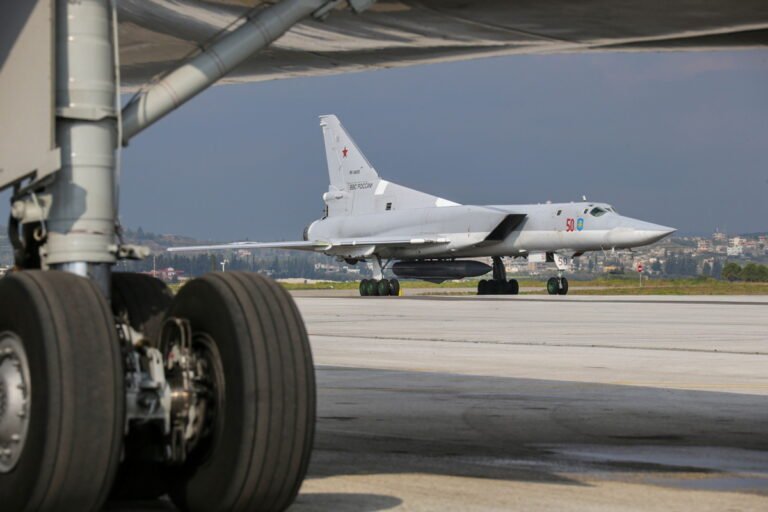
Under an agreement concluded between Syria and the Soviet Union in 1971, Russia maintains a military presence with a fleet at the naval base in Tartus. It expanded this with air bases and air defence systems in Palmyra and Hmeimim. On 30 September 2015, with Assad’s backing, Russia began a military intervention in the Syrian civil war with air strikes against opposing groups.
Turkey Shoots Down a Russian Warplane
On 24 November 2015 Turkey announced that a Russian warplane carrying out air strikes in northern Syria had been shot down after violating its airspace despite all warnings. This time the AKP regime began to go through a painful process with the Russians in Syria. Putin approved a series of sanctions against Turkey and began to show the edge of Erdoğan’s dirty laundry. Russia submitted documents to the UN Security Council claiming that Turkey was illegally sending weapons and ammunition to ISIS-controlled areas in Syria and buying oil from them.

In 2015, after taking control in Hasakah and Tel Abyad in Syria, US-backed YPG units began to violate human rights by making areas inhabited by Arab and Turkmen civilians unusable and forcibly displacing residents. In 2016, moreover, PYD/YPG elements, backed by US air strikes, crossed to the west of the Euphrates and seized Manbij from ISIS.
Suicide Bomber at a Wedding: 59 Dead, 90 Wounded

On 24 August 2016 the TSK, together with Turkish-backed FSA elements, launched Operation Euphrates Shield against ISIS and YPG elements in the region. Four days earlier, ISIS had carried out a suicide bombing at a wedding in Gaziantep. Fifty-nine people lost their lives and more than 90 were wounded in the attack. The AKP regime covered up this incident too.
To return to Euphrates Shield, Jarablus was first bombarded with artillery fire. Then Syrian territory was entered with tanks and armoured personnel carriers, and the area was taken from ISIS together with the FSA. The Syrian government described Turkish tanks crossing the border and taking control of Jarablus as a “violation of sovereignty”.
A Bomb from a Syrian Plane: Three Turkish Soldiers Killed
The US and coalition forces provided air support for the operation against ISIS targets. During the operation the TSK and YPG elements inevitably came face to face at times. During the operation it was announced that three Turkish soldiers had been killed by a bomb dropped from a Syrian plane on 24 November, the anniversary of the Russian plane crisis.
This Time a Russian Plane: Three Killed, 11 Wounded
On 9 February 2017, this time a Russian plane caused the deaths of three Turkish soldiers and wounded 11. Erdoğan subsequently stated after the National Security Council meeting held on 29 March 2017 that the operation had been successfully concluded.
As an alternative to the Geneva talks held under the UN to find a solution to the conflict in Syria, and with Russia’s direct involvement in the fighting, the Astana talks began in January 2017 under the guarantorship of Russia, Turkey and Iran. However, no concrete success was achieved in these talks either. Assad accused Erdoğan of sharing the same ideology as ISIS and said that in the Astana process Russia and Iran were the guarantors of the “legitimate state” in Syria and Turkey the guarantor of the “terrorists”.
(To be continued)
Monthly · free
Compass of the Month
Once a month: five points from Europe’s security and migration agenda and the month’s PUGAT articles, in your inbox.
Newsletter sign-up opens soon.
Read next

What is PUGAT? A non-profit community publishing independent analysis from Europe on security, migration and society in Turkish, German and English.
Go to the homepage
