


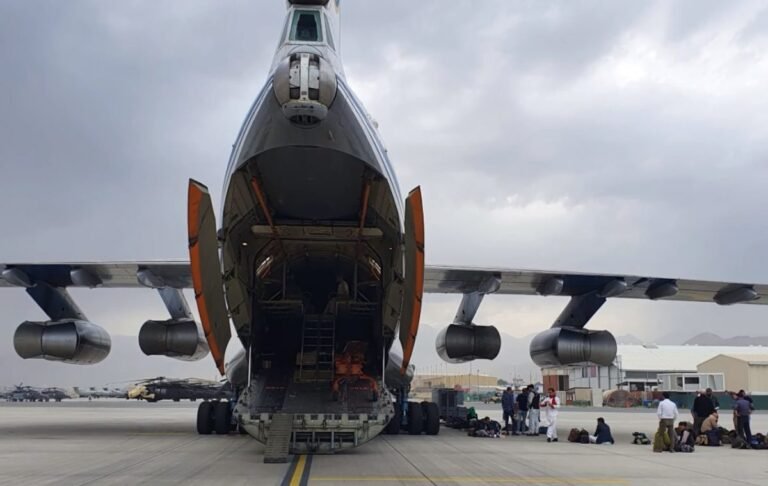
Turkey has been in Afghanistan with NATO missions for 21 years, and every parliamentary mandate passed almost unanimously. But does Turkey really have an Afghanistan policy?
Turkey’s military relationship with Afghanistan has continued for 21 years within the framework of international agreements. As for the rhetoric of brotherhood between the two peoples, it is hard to say offhand when it began. Almost all of the state’s 21-year Afghanistan policy was set and managed under the AKP, that is, Erdoğan, governments. Every mandate for “sending troops to Afghanistan” that passed the Grand National Assembly had the consensus of almost every political party with seats in parliament, the ruling party first of all. So, as you can see, for 21 years we have stood as one on Turkey’s Afghanistan policy.
Indeed, the most recent presidential mandate extending by 18 months the authorisation to send troops to Afghanistan was adopted by the General Assembly of the Grand National Assembly in January. The mandate decided on “the sending abroad of Turkish Armed Forces elements within the scope of NATO’s Resolute Support Mission in Afghanistan and its continuation, their limits, scope, number and timing to be assessed and determined by the President; the presence in Turkey of foreign armed forces for the purpose of transit to and from Afghanistan through our country in order to take part in the said mission for the same purposes; and the making of arrangements enabling these in accordance with principles to be set by the President”. In other words, at the very least, the Turkish Armed Forces will maintain their presence in Afghanistan until July 2022.
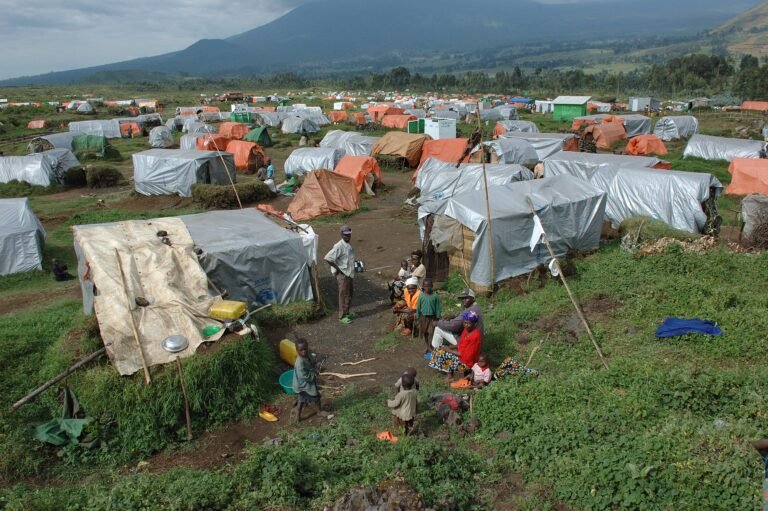
The Afghan migration that has emerged in parallel with the latest developments in Afghanistan has brought to the surface the ultra-nationalist and hate rhetoric lying in wait in Turkey. What happened that Afghans began to flood into our country via Iran, and a large crowd appeared here and there with the audacity to tell the newcomers to “get out” without even feeling the need to ask “what is going on”?
Both on the forest fires, the other major agenda item of recent days, and on Afghan migration and the polarisation and hate speech inside the country, everyone is kicking the ball into touch. The government accuses the opposition of turning developments into material for political gain, and the opposition accuses the government of failing to take the necessary measures. One thing is clear: Neither the government nor the opposition is showing the ability to manage the crisis under way or to propose and produce solutions.
Not only does the government say nothing about the policy it will apply to Afghan migration, it takes no step to curb the public’s reactive stance either. There is not yet a single official around who has uttered the word common sense.
Our politicians, who agree on the state’s 21-year Afghanistan policy, all but refrain from producing solutions to the migrant crisis that has suddenly landed in our lap. Why? At what level can we solve this problem with MPs who wait for someone else to produce a solution or for the day they will raise their hands in parliament?
Are there bureaucrats or officials in the security bureaucracy who are sensitive to the issue? Frankly, I cannot be optimistic about this. Never mind sensitivity, I fear they will get us into trouble with their subtle calculations and drag the country into new adventures. For the term “AFGHAN JIHAD” is not a new concept for Turkey. Although the presence in the “GLOBAL JIHAD” struggle of our people of SALAFI and ÜLKÜCÜ profile, who joined the Afghan jihad from Turkey from the 1980s onwards as a way of penetrating developments in the region, is hardly mentioned any more, those who want to understand where the question of jihadism stands today need to analyse the matter from those days on.
It is worth noting that the jihadist current that formed in Turkey did not follow an improvised course in its beginning or development, but took shape turning round and round within the wheel of politics and intelligence. Let us not go into the details of this for now. And let us also, for now, merely mention in passing that the groups from Turkey that joined the Afghan jihad had very special field relations with jihadist groups of Iranian origin.
The Afghan migrants issue is not new for Turkey; it is a process that has existed for years. But what is happening at this point shows that it has gone beyond its natural course. To make a sound assessment at this point, the following questions must also be answered:
- Are the Afghans arriving in our country with this new wave of migration being sent by the legitimate government or by the Taliban? Or is this migration a spontaneous reflex of the people?
- What information have our soldiers, our intelligence and our diplomatic missions still serving in Afghanistan conveyed to Turkey about this migration so far? Was it known in advance, and were the relevant authorities informed? If they were, why were no measures taken?
- What is the final destination of those leaving Afghanistan? Iran, Turkey or Europe? Why?
- How does Iran approach hosting Afghan refugees on its territory? Does it direct those who arrive towards Turkey at the first opportunity? Why?
- What solutions do our state, our security bureaucracy and the political parties with groups in the Grand National Assembly propose for managing this migration crisis? What measures have been taken so far?
Every citizen of the Republic of Turkey has the right to know the answers to these questions!
Monthly · free
Compass of the Month
PUGAT’s monthly newsletter.
Read next
What is PUGAT? A non-profit community publishing independent analysis from Europe on security, migration and society in Turkish, German and English.
Go to the homepage
