

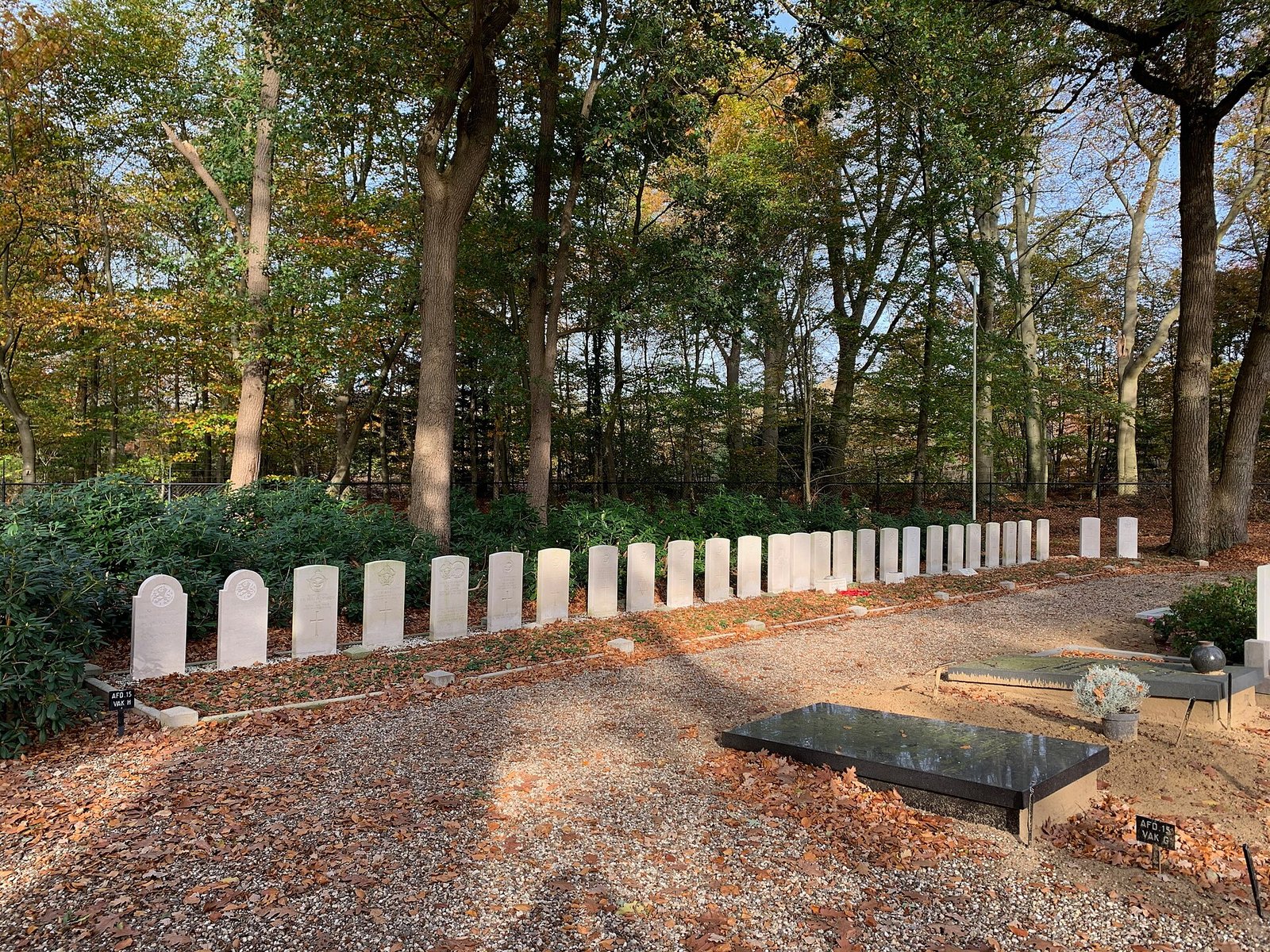
Images of wretched soldiers in Ukraine reminded the author of the base area where he served on Mount Bagok. A personal account of soldiers who do not know what they are dying for.
On the east-facing slope of Bîrik hill on Mount Bagok, at sunrise, binoculars in hand, I am watching from a hollow in the rock the valley covered with oak trees. As I watch the mountain goats at play, unaware of me, the sun reflected from the spring trickling faintly along the stream bed winks at me. Behind me, at the commanding point of the valley’s western exit, is the Dibek Tepe base area, held by 150 soldiers.
When I saw the soldiers in tattered clothes in the Ukraine war, that base area came to my mind.
During the time I was there, about half of our losses occurred in clashes and mine explosions around this base area. While 150 soldiers under the Land Forces held the base area, a Gendarmerie Special Operations Team was also assigned to the base area at regular intervals to reinforce this unit. I served in this team.
Sometimes for one night, sometimes for two, summer and winter, we served in these mountains where no one else set foot. We would stop by the base area to rest and resupply. Most of our time there was spent inside makeshift shelters we built from stones. Do not be fooled by my use of the word rest: for us, rest meant being able to sleep for a night without fear of being killed in our sleep.
The base area consisted of a few huts set on the ridge of a hill, sandbags, weapon emplacements and a portable toilet with flies buzzing over it. Water was limited. Each day came with three plastic bottles of water to use. It was so limited that teams completing their duty period would bury their extra water in the ground and, if another team had not found and dug it up, use it on their next visit.
Bathing was impossible. The soldiers stayed there for a month. Clothes were never taken off; we slept in the same clothes, went on duty in the same clothes, and some of us died in the same clothes. At the end of the month, the privates about to be discharged who returned to battalion headquarters would happily burn their unwearable uniforms. There was no internet, no telephone. There was no way of communicating with the outside world. There was no cooked food. In short, none of the things a person could love were there.
The commanders who ran the base area changed along with the soldiers. The senior officers at battalion headquarters, including the battalion commander, came to the base area in turn. A new commander meant new orders and new ambush points for our team. But there was one of the base area commanders who was, as we say in military parlance, “distinguished among his peers”, that is, very different from the others. When Major Serdar was base area commander, he created such motivation that the soldiers did not notice how that period passed.
One summer day, when I went to his stone shelter to receive orders before a mission, he was shaving with water. When he had finished, we sat down on wooden stools. He spread his map on the table. He had written his own notes on it and marked past incidents point by point. He had worked in such detail that, as someone who knew the terrain, I was surprised and at the same time felt a special confidence. If something happened to us, we had a commander at the base area who would look out for us. This might prompt the question: “Wouldn’t the other commanders look out for you?” Every commander does his best, but a soldier who knows what happens when you get into a firefight, or when you evacuate the shattered body of someone who has stepped on a mine, wants a commander like Major Serdar. We call this esprit de corps. This spirit is a living organism.
The German officer and writer Dirk W. Oetting, while stating that success in war depends on various factors such as the type of weapons and equipment, operational capability, the functioning of command, control and communication means, logistical support and the quality of training, gives a key place to the competence of officers and the soldiers’ will to fight. War contains savagery in every sense. A young man must have reasons to die and to kill amid this savagery.
Yes, there is a strict hierarchy in the army; the soldier must do his duty within the chain of command without thinking. We know this by heart. But this definition does not offer an officer satisfactory solutions in combat. This is where the motivation you call esprit de corps comes in: “Risking death to protect the life of a comrade in arms, making sacrifices so that the unit completes its mission without losses.” That is the basic motivation.
Soldiers are not constantly preoccupied with whether what they are doing is right or wrong. The mechanism by which they check whether their goals are right is the attitude and behaviour of officers at company and battalion commander level. For company or battalion commanders, the situation is somewhat different. They want to believe in the legitimacy of the war.
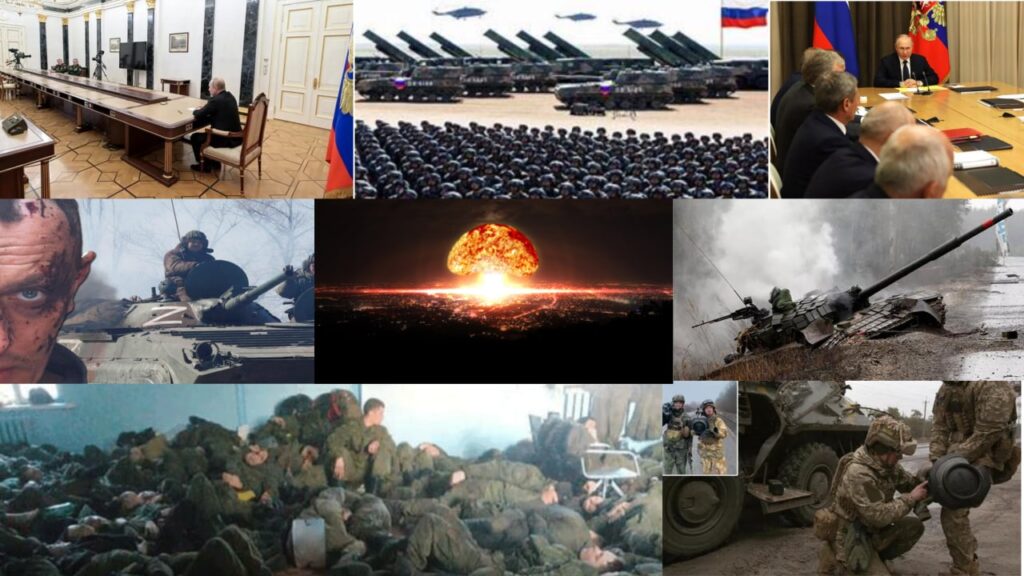
At this point I would like to connect this to Russia’s attempted invasion of Ukraine. There is a great deal of information suggesting that this belief is lacking among officers in the Russian army. Abandoning a whole artillery battery, driving an air defence system like the “Tor” alone on an outing into an area controlled by the Ukrainian army and leaving it to them… For now we do not know what proportion of officers in the Russian army are unwilling. It is also clear that these and similar situations, which made themselves felt in the first days of the war, will not be enough to stop it. Indeed, the Russian headquarters seems to have taken certain measures and compensated to some extent for planning and operational weaknesses.
So did the Russian army fall victim to a one-man regime?
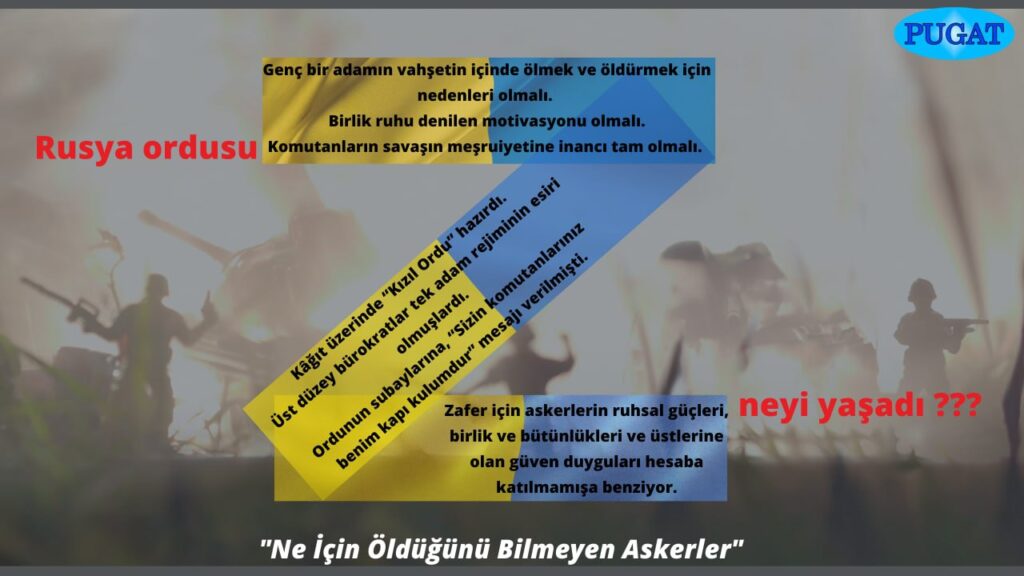
For years the Putin regime prepared the Russian army for wars on the scale it has displayed in Ukraine. It sent many of its staff officers to areas of hot conflict, including Syria, to gain experience. Particularly after the 2008 operations in Georgia, it launched a series of reforms in the army. Between 2008 and 2012 it scrapped most of the old Soviet systems. It also reorganised the unit and organisational system and created more professional and permanent forces at smaller unit levels. In other words, on paper the “Red Army” was ready.
But it did not work! So what had gone wrong? Many reasons can be listed. In my view, the most important among them was that Russia’s senior bureaucrats were prisoners of a one-man regime. Putin, seating the two generals at the top of the army side by side at the far end of a 10-metre table while he sat at the other end, gave the officers of his own army the unspoken message: “Your commanders are my servants.”
But Putin seems not to have taken into account that victories are won not only materially but also by the spiritual strength of soldiers, their unity and cohesion, and their sense of trust in their superiors.
Monthly · free
Compass of the Month
PUGAT’s monthly newsletter.
Read next


What is PUGAT? A non-profit community publishing independent analysis from Europe on security, migration and society in Turkish, German and English.
Go to the homepage
