

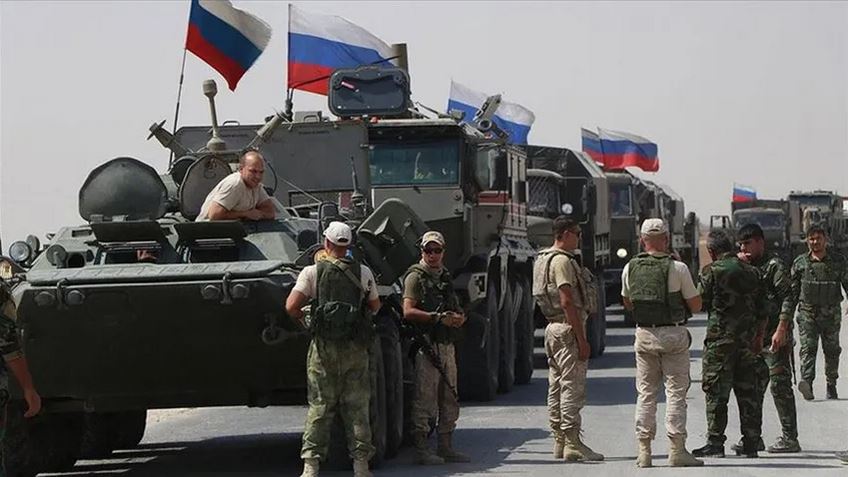
Russia’s invasion of Ukraine has entered its third year. Millions of Ukrainians have been displaced, Western support has turned into a “favour”, and Russia has revived its economy despite sanctions.
Claims that Russia would invade Ukraine, which began to circulate in 2021, were constantly denied by Russian President Putin and his team.
Although they said these claims were figments of the imagination, the US above all, and the NATO it leads, were saying that “a Russian invasion is imminent”.
When the calendars turned to February 2022, it became increasingly clear that Russia would launch an attempt to invade Ukraine. Putin first announced that Russia recognised Ukraine’s Donetsk and Luhansk regions as states.
He then launched a “special military operation” directed at these regions. The Russian army crossed the Ukrainian border on 24 February 2022, and the “attempted invasion” of Ukraine officially began.
These days mark the second anniversary of the attempted invasion.
Under current conditions it is impossible even to guess how much longer this “attempted invasion” will go on.
Ukraine and its President Volodymyr Zelensky, who before the invasion had been promised “support to the end” by the United States and NATO, began “by the end of only the second year” to be branded even as “beggars” by many because of their constant requests for weapons and military equipment.
The aid promised earlier came, as time went on, to be seen as a “favour” to Ukraine.
Ukraine, for its part, suffered great material and moral losses in this period. Almost all infrastructure and buildings, especially in the east of the country, were either damaged or completely destroyed.
As of February 2024, some 6.5 million Ukrainians were living abroad as refugees, while about 3.7 million people were internally displaced within the country.
Estimates of Ukraine’s military losses vary widely; in February 2024 Zelensky put the number of soldiers killed at 31,000, while Western estimates are considerably higher.
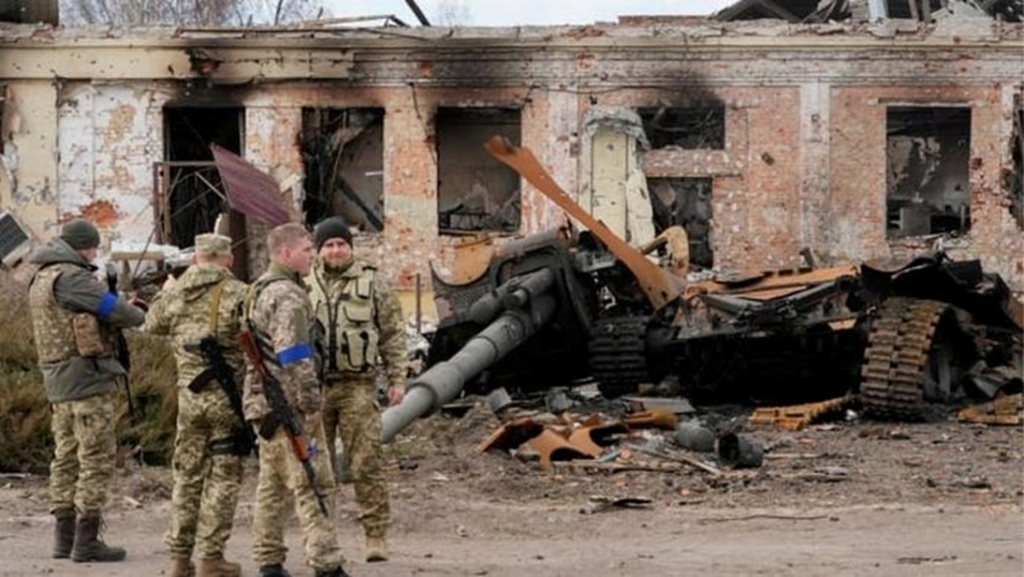
Dozens more such points could be listed, but in my view the worst thing, both for Ukraine and for humanity, is that these losses and this war have become ordinary, just one of three or five topics discussed between states.
Russia’s Two Years
Immediately after the attempted invasion, almost all European states decided to impose sanctions on Russia in many areas. Although most of these sanctions remained rhetorical, Russia was isolated from the West and Russian President Putin was “demonised”.
According to British intelligence, Russia has suffered 300,000 casualties, killed and wounded, in this attempted invasion; according to Ukraine’s General Staff, 400,000.
Although the Russian rouble lost about 45 per cent of its value in the first phase of the attempted invasion, the economy recovered.
Russian President Vladimir Putin proudly declared that Russia was the fastest-growing economy in Europe.
Last week the International Monetary Fund (IMF) raised its 2024 growth forecast from 1.1% to 2.6%, underlining the resilience of the Russian economy.
According to IMF figures, the Russian economy grew faster last year than all the G7 countries and will continue to do so in 2024.
More War?
For both sides, war means tears, at least for ordinary people. As I said above, there is no telling how long the war, and a process in which hundreds of people lose their lives every day, will go on.
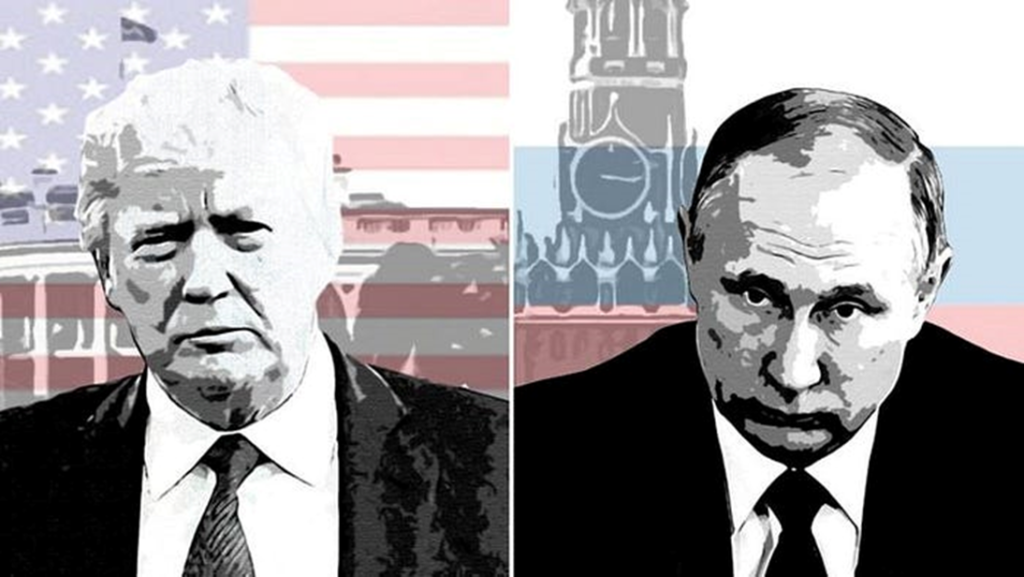
The only concrete statement that could be called a development came from former US President and new presidential candidate Trump, who announced that he would end the war within 24 hours.
Had any other US presidential candidate made this statement, it could have been seen as the light at the end of the tunnel for Ukraine, but since the words came from Trump, “it may also be the cliff at the end of a dark tunnel”. (Update: Trump became US President again in January 2025; as of October 2026, however, the war continues, with only local and short-lived ceasefires achieved.)
Sources
- UNHCR – Ukraine situation data.unhcr.org
- IMF – World Economic Outlook imf.org
Monthly · free
Compass of the Month
Once a month: five points from Europe’s security and migration agenda and the month’s PUGAT articles, in your inbox.
Newsletter sign-up opens soon.
Read next


What is PUGAT? A non-profit community publishing independent analysis from Europe on security, migration and society in Turkish, German and English.
Go to the homepage
