

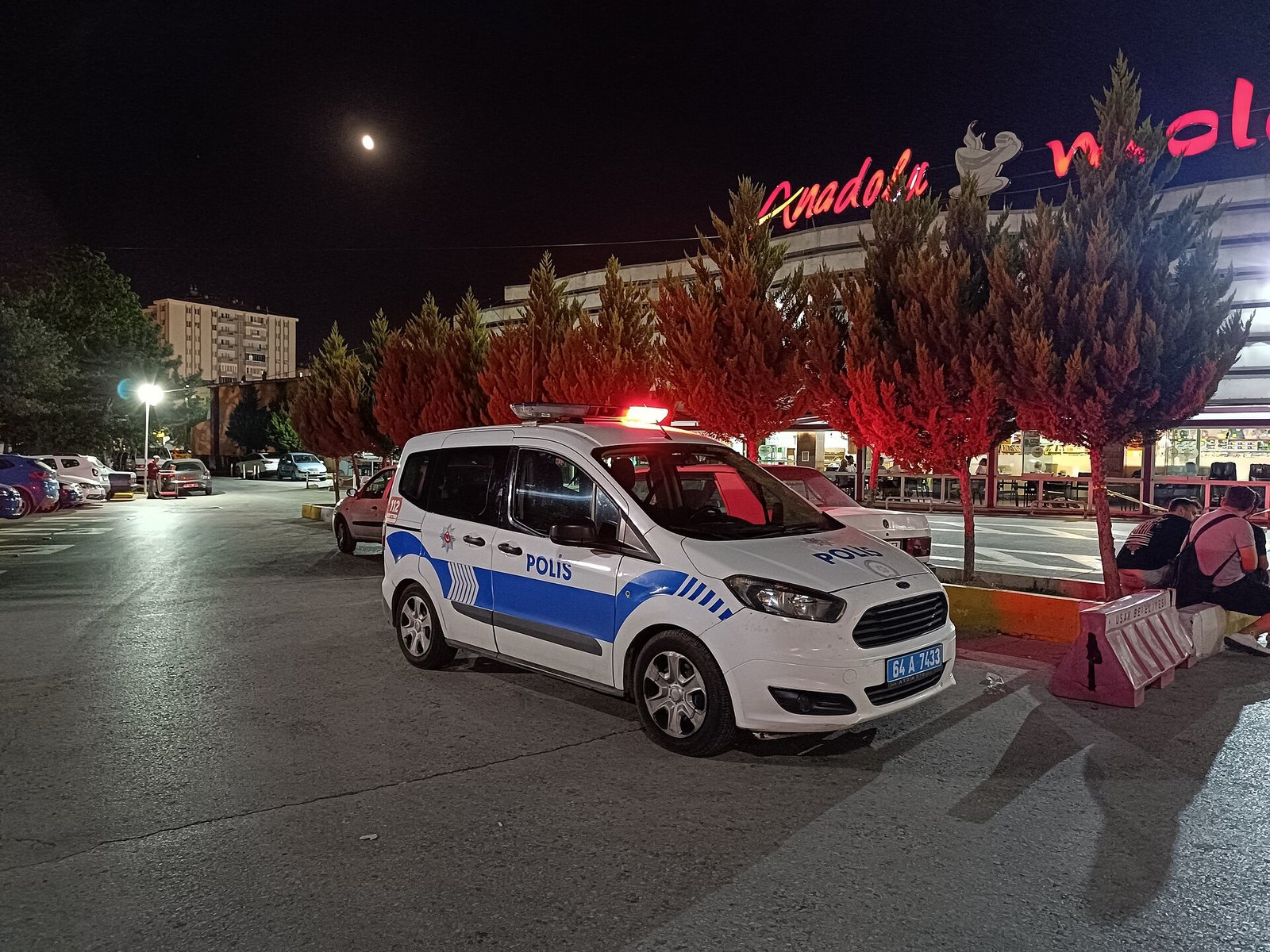
In investigations, the drum sits in the gendarmerie station's lap, but the stick is in someone else's hand. The third part of The First Door: The Gendarmerie series compares the resources of the police and the gendarmerie.
As will be understood, in the investigations carried out, the drum sits in the Gendarmerie station’s lap, but the stick is in someone else’s hand. Let me try to explain the matter in a little more detail.
Almost every kind of unit has been set up within the District Police Directorates (public order, organised crime, intelligence and so on). In the Gendarmerie, by contrast, these units are gathered centrally at the Provincial Gendarmerie Command. In a place like Adana, for example, while the police respond to incidents in a smaller area of responsibility of 2,000 km², the Gendarmerie has to respond to incidents over a far larger area of some 14,000 km² with far fewer personnel.
While the police respond quickly to incidents in a narrower area with strong central units, the Gendarmerie uses the same organisational model. This is exactly where the mistake I want to dwell on arises. The Gendarmerie, a completely decentralised structure, using its support units centrally causes delays in responding to incidents. And it is the self-sacrifice of Gendarmerie personnel that steps in to make up for this shortcoming.
Let me go into detail through an incident. When an incident occurs in a police area, the police station responsible for that area goes to the scene, secures it and informs the District Police Directorate it reports to, making the initial preparations for the investigation to be conducted by the relevant public order, organised crime or counter-terrorism units. Those responsible in these specialised units come to the scene and carry out all the necessary work. This work covers everything: The investigation documents to be prepared, the correspondence with the prosecutor’s office, the permits to be obtained and so on. In other words, after the station personnel have made the necessary initial response, they hand the file over to the relevant specialised units.
In the gendarmerie the same procedures run as follows: When an incident occurs, the Gendarmerie station personnel go to the scene and take the necessary security measures. Meanwhile, the chain of command is informed so that the relevant specialist personnel can be sent from the Provincial Gendarmerie Command. This is where things fall apart. If it is not a place like Adana, where public order incidents are concentrated, the personnel serving at the Provincial Gendarmerie Command come to the scene and get involved in the incident. I can almost hear you say, well, there you are, the process is the same. Not quite. Let me give another example. For a specialist team (organised crime, intelligence, crime scene investigation and so on) assigned to an incident in Tufanbeyli district to go and support another investigation in Karataş district at the same time takes at least 4-5 hours, even if it has finished its work and packed up. In a profession where you are sometimes racing against the minutes, it is obvious how long a period of 4-5 hours is.
In this situation the personnel at the Gendarmerie station make every possible effort to solve the case. All the procedures here are carried out by the station. The specialised units involved provide support in solving the case, but all correspondence relating to the investigation is handled by the relevant Gendarmerie station. At this point, you would think that the most competent personnel are employed at Gendarmerie stations, wouldn’t you? Unfortunately, that is not how it works.
As a requirement of central management and professionalisation, the police concentrate qualified personnel in certain centres, keeping these strong and the stations relatively weaker. In the Gendarmerie, whereas the main weight of postings and personnel assignment should rest on the stations, the cornerstone of the Gendarmerie, the same method as in the police is applied. That is, a strong centre and weak stations. This flawed system design is in itself the root of many of the shortcomings experienced in the Gendarmerie.
Monthly · free
Compass of the Month
PUGAT’s monthly newsletter.
Read next

What is PUGAT? A non-profit community publishing independent analysis from Europe on security, migration and society in Turkish, German and English.
Go to the homepage
