

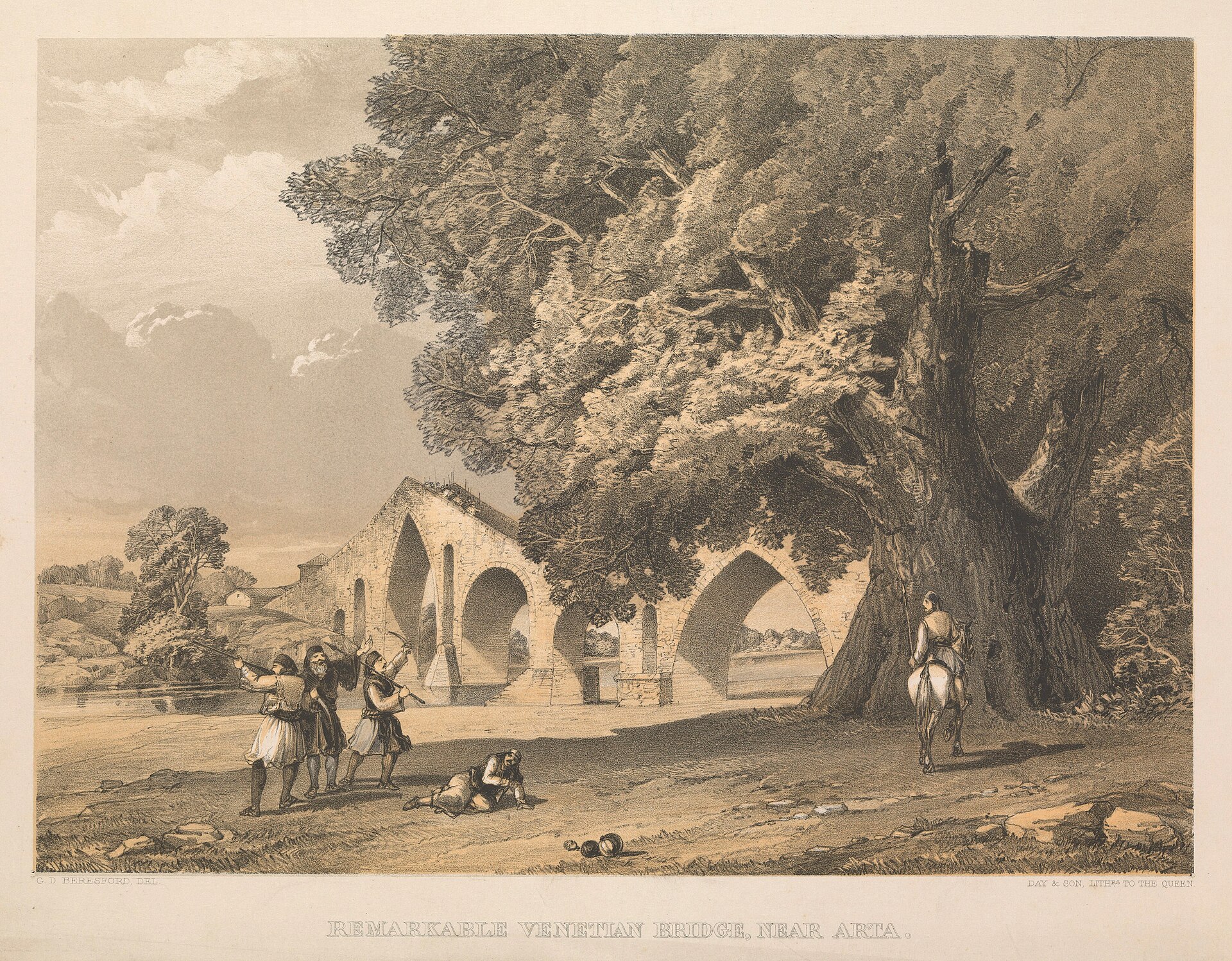
To some, the bandit is a folk hero resisting injustice; to others, a brigand who harms the people. The article offers a brief look at banditry through history, sociology and literature.
Banditry, a subject in many fields such as history, sociology and literature, has even made its way into songs and caught the interest of us all. Eşkıya (bandits) means people who hold up roads in the mountains and countryside and extort tribute, brigands, and is the plural of the word “şaki”. Şaki is a word of Arabic origin. Commonly used in the sense of brigand, it has come down to us as eşkıya.
The view of the concept of banditry is not one-dimensional. There are generally two opposing views on the subject, one romantic and one pro-authority. The first glorifies banditry, sees it as resistance to injustice and accepts it as a righteous movement on behalf of society and the people; the second regards banditry as the illegal activity of individuals and groups who act within the borders of the state yet in defiance of it, clash with the people and harm the people rather than the state.
The best-known advocate of the first view is the British historian Eric Hobsbawm. In his work “Bandits” , Hobsbawm examined the phenomenon of banditry worldwide from the perspective of social history and introduced the concept of “social banditry”. According to Hobsbawm, social banditry is the most universal and uniform social phenomenon in history. Social bandits are peasant outlaws who are regarded as criminals by bureaucrats and the state but who live among “peasant society” and are seen by the peasants as heroes, invincible avengers, fighters for justice and sometimes even leaders of liberation; they are respected in all circumstances and are therefore helped and supported.

According to Hobsbawm, it is out of the question for a social bandit to seize and run off with the harvest of the peasants (rather than the lord’s) of the common people in his own or other regions. Hobsbawm mostly dealt with “noble banditry”, which emerged under the conditions of rural life, and in this respect kept it apart from illegal activities formed within the social structure of the city (such as drug trafficking, theft, gangsterism and money laundering). According to Hobsbawm, although banditry does some harm to society within certain limits, the romantic discourse that banditry is a noble resistance prevails.
The most important question regarding banditry is whether it is a social revolt. Far from the view of noble banditry, Karen Barkey sees banditry not as a resistance movement against injustice and inequity but as a movement that oppresses the people. In her study “Bandits and Bureaucrats: The Ottoman Route to State Centralization” , which is based on Ottoman-style state centralisation, Barkey compares bandit events in the Ottoman Empire in the 16th and 17th centuries with some other examples of banditry in the world, and, in line with the general view, attributes the emergence of banditry in the Ottoman Empire to the deterioration of economic conditions and the wrong attitude of bureaucrats towards the people. She states that bandit events in the Ottoman Empire were caused by soldiers, officials and peasants left unemployed for various reasons, and that bandit events always made the state and society pay a heavy price. This phenomenon has been assessed from different perspectives along the Bandit–Peasant–State axis.
In Turkish literature, two similar opposing views have been told in novels by Yaşar Kemal and Kemal Tahir. In his novel “Memed, My Hawk” (İnce Memed), Yaşar Kemal tells of the uprising of the Çukurova peasants against the agha system from a romantic perspective. Translated into many languages, the work is counted among the 100 best novels in Turkish literature. The feudal structure, that is the agha system, is the dominant power over the peasants because of its close contact with and influence over the state. Taxes, heavy workloads, being unable to marry the girl one wants, oppression, the search for justice and economic hardship are the main reasons that drive people to banditry. İnce Memed is a novel of resistance and revolt written to give voice to the oppressed side in its search for justice.

Kemal Tahir, on the other hand, describes bandits in his work as wretched, thieves, swindlers and vagabonds. The people, out of poverty, exaggerate them in their eyes. Kemal Tahir’s approach in his narratives of banditry can be summed up with this sentence by André Maurois: “Societies that cannot cope with the bandits in their midst, in time, pushed also by the feelings of barbarism within them, begin to admire those bandits.”
The bandit sometimes appears before us as a folk hero and sometimes takes his place as a tyrant who oppresses the people and lives off their income. The truth is that, while both views have some merit, the real issue is being able to tell the noble bandit from the base one. In general, banditry has arisen from causes such as economic hardship, the oppression of provincial administrators, taxes, the failure of law enforcement to ensure public order and security, and the feudal structure (the agha system).
(In the next article I will try to present how banditry is viewed in newspaper reports, films and songs.)
Monthly · free
Compass of the Month
PUGAT’s monthly newsletter.
Read next


What is PUGAT? A non-profit community publishing independent analysis from Europe on security, migration and society in Turkish, German and English.
Go to the homepage
