


Young Syrians fleeing war are lured into dangerous journeys marketed like holidays on TikTok. Human smuggling on the Turkey–Syria border and the smugglers’ new methods.
Turkey–Syria Criminal Links | 3
Despite various measures, human smuggling from Syria into Turkey continues. What is interesting is that almost everyone knows about it. Indeed, a fact known worldwide is this: because of the instability in the region, the border is in fact open to illegal crossings in both directions. All you need is to reach the right contacts. And, of course, enough money.
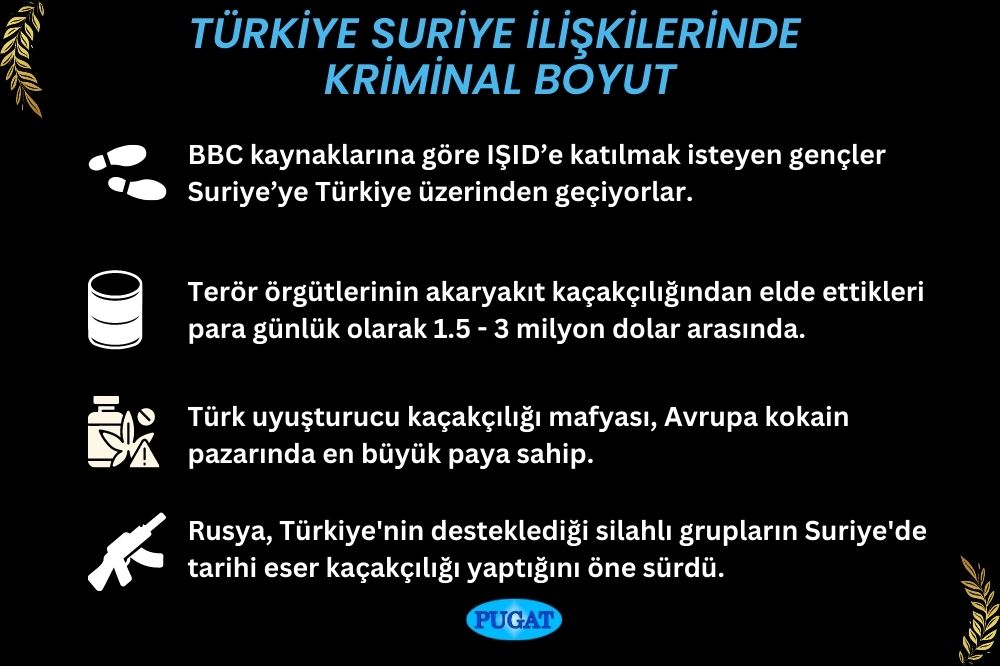
Although illegal crossings on the Syrian–Turkish border frequently end in arrest, deportation and even death, human smugglers keep advertising on social media platforms such as TikTok and continue to attract young Syrians.
The steadily worsening economic conditions and security situation in Syria are driving many young people who want to live a decent life away from war to flee to Turkey and Europe. The quality of life in Europe in particular naturally appeals to young Syrians as well.
Although human smuggling is a serious crime, it has become widespread in Syria. People are smuggled both into neighbouring countries and between regions within the country that are under the control of different authorities.
Smugglers use different methods to attract people. One of them is advertisements placed in Facebook groups or videos posted on TikTok. In these ads and videos, aimed especially at young people, people are urged to act as soon as possible, and these journeys, which are usually very dangerous and arduous, are presented as an enjoyable trip.
Ahmed al-Hamidi, a smuggler operating in north-western Syria, says the following in an interview with Al-Monitor:
“I used to post ads in Facebook groups. But many people stopped me from gathering customers by saying I was lying about the risks or that there were other smugglers who would get them into Turkey for less. So I turned to another method. I started posting 15-second videos on TikTok, the best platform for this job. I prepared the videos very carefully. I used special shots and added a voice-over in the background that speaks to young people and motivates them.”
Stressing that not every smuggling attempt succeeds, Hamidi continued:
“Seventy per cent of attempts to cross illegally into Turkey fail. Sometimes there are deaths while crossing the border. Still, we make enticing videos to attract customers. For example, we film ourselves fearlessly cutting barbed wire or evading the Turkish soldiers guarding the border. People are quite impressed by these and are persuaded that the route is safe and that the crossing has been carefully planned.”
Hamidi also explained how the networks work:
“We have full packages from regime-held areas all the way to Europe. In our transport network we have people in all the areas controlled by different authorities. Each of them gets a share according to the length of the route. For example, the fee for smuggling a person from Aleppo to Istanbul is 4,000 dollars, and that includes the bribe paid [to the Turkish soldier on duty at the border]. Smuggling [without a bribe] costs 3,000 dollars.”
“Crossing into Turkey from the military line in Idlib costs 4,200 dollars. Crossing from Turkey into Europe costs 4,000 euros. In that case the person being smuggled is taken to Serbia. If they want to continue from there to another European country, they have to pay another 3,500 euros.”
As things stand, Turkey is more of a temporary stopover for Syrians. It is possible to earn money for the crossing to Europe, because opportunities for unregistered and uninsured work are very wide. And for those who cannot find a way to cross into Europe, there are places in Turkey where one can live, with standards that are not bad at all. Of course, what consequences Turkey’s recent economic situation and hyperinflation will have in this respect remains to be seen, but Syrians somehow sustain their lives in their own neighbourhoods through their own forms of organisation.
Information about Syrians living in Turkey, however, is very limited. Because the issue is political ammunition between the government and the opposition, it is almost impossible to obtain accurate, unmanipulated statistics on Syrian refugees. The official figures that are announced are highly questionable.
According to data from a Crisis Group Europe report, Syrian refugees of working age between 15 and 64, mostly employed in Turkey in sectors such as textiles, construction, shoe manufacturing, agriculture, furniture and seasonal farm work, continue to work in low-paid wage jobs or informal work.
How serious the situation is regarding crossings from Turkey into Syria can be seen in the news about Shamima Begum, which was on the agenda of the British media for a long time. According to the BBC, young people who want to join ISIS cross into Syria via Turkey. For example, Shamima Begum, Amira Abase and Kadiza Sultana, who told their families they would be out for the day, flew from Gatwick Airport to Turkey and from there crossed the border into Syria. When the report is examined in detail, it is clear that the route used to reach terrorist organisations inside Syria’s borders runs through Turkey. And this route is easy enough to be travelled even by 15- and 16-year-old girls.
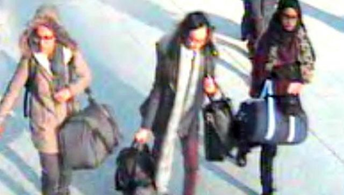
Source: BBC Türkçe
Sources
- Al-Monitor – Syrian smugglers’ use of TikTok
Monthly · free
Compass of the Month
Once a month: five points from Europe’s security and migration agenda and the month’s PUGAT articles, in your inbox.
Newsletter sign-up opens soon.
Read next



What is PUGAT? A non-profit community publishing independent analysis from Europe on security, migration and society in Turkish, German and English.
Go to the homepage
