

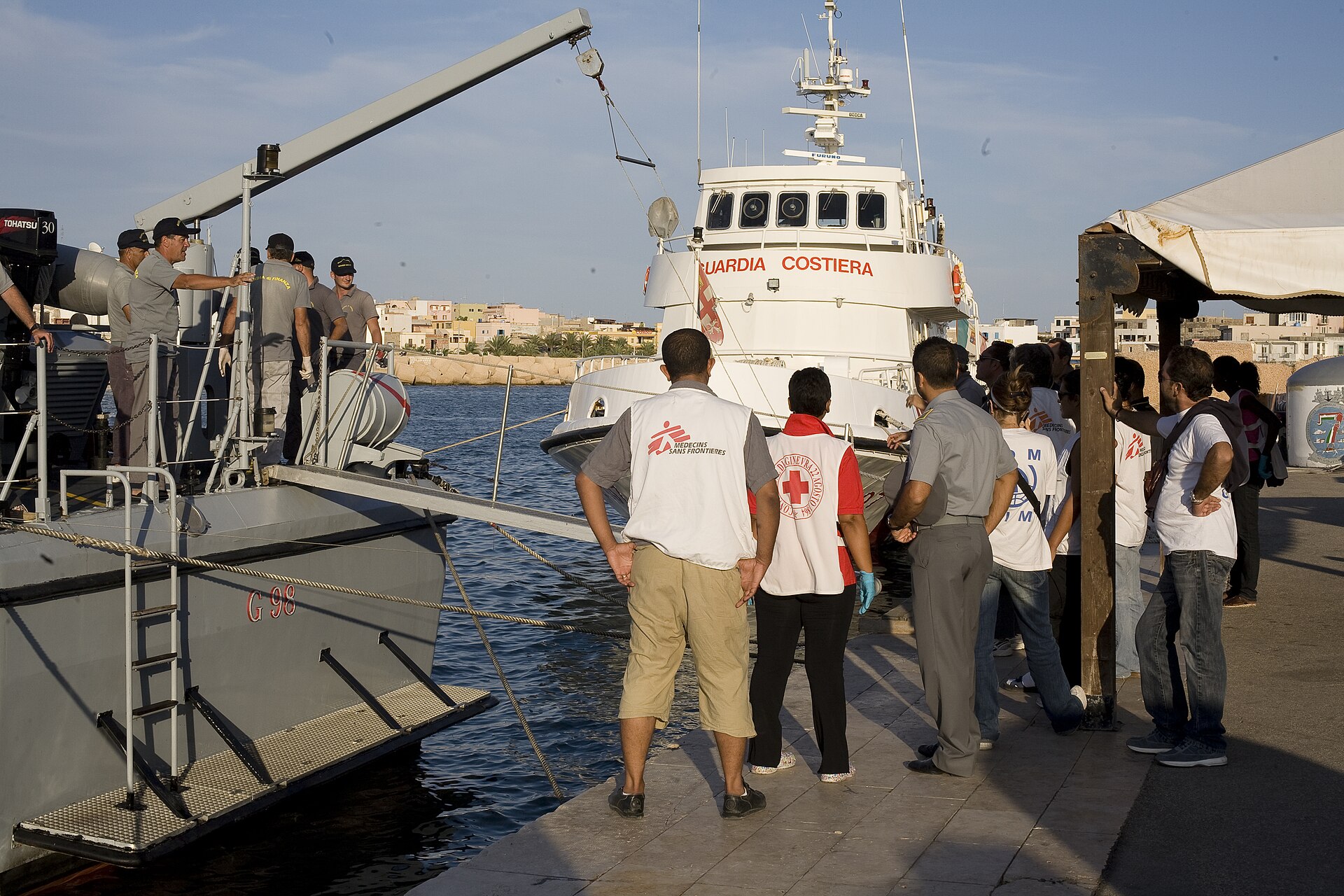
Europe’s asylum system rests on the Geneva Convention and common EU rules, but practice varies from country to country. While applications are falling, the backlog of pending cases remains high.
The foundation of the modern European asylum system is the 1951 Geneva Refugee Convention. In addition, the rules of the Common European Asylum System (CEAS) in the European Union determine which country is responsible for an asylum application. For many years this was the task of the Dublin III Regulation; since 12 June 2026, the Asylum and Migration Management Regulation (AMMR), which applies under the Pact on Migration and Asylum, has replaced Dublin III. For example, the EU country an asylum seeker first entered irregularly is usually responsible for examining the application, but there are also exceptions such as family ties, unaccompanied children or humanitarian grounds.
Anyone who wants to be well informed about asylum and protection therefore needs to know, besides the rules on the responsible country (formerly the Dublin rules), the Eurodac fingerprint system and concepts used by member states such as “safe third country” and “safe country of origin”. While this general framework ensures that asylum procedures rest on similar principles in every EU country, practice differs from country to country. Each of these topics is covered in detail below.
The Current Asylum Situation in Europe
For almost 50 years, asylum and protection have been among Europe’s main agenda items. In recent years, asylum applications have generally been shaped along the following lines:
- Falling applications
- Growing administrative pressure
- High caseloads
While member states tighten policies such as “Dublin procedures, safe country lists, accelerated admission/rejection tracks and border controls”, factors such as “reception capacity, staffing needs and long-accumulated backlogs” continue to put pressure on the system.
Differences between countries are also marked. For example:
- While countries in Europe’s south-western corridor, such as Spain and France, are the destination of applications from Latin America, for example from Venezuela, and from Africa, for example from Morocco and Tunisia,
- countries such as Germany, the Netherlands and Belgium are mainly destinations for asylum seekers from Turkey, the Balkans and the Middle East.
Seen from Turkey’s perspective, the asylum and protection regime in Europe over the past 50 years has been shaped in direct connection with the country’s domestic political transformations and foreign-policy developments. The ups and downs of Turkey’s relations with the EU and its human rights record have also affected recognition rates and judicial proceedings in Europe:
- The wave of political asylum seekers after the 1980 military coup (left-wing/socialist political movements),
- the rise in applications linked to the Kurdish question in the 1990s, and
- the surge in applications linked to the Gülen movement after the 2016 coup attempt were the main turning points of asylum movements from Turkey.
Asylum Applications in Figures
Countries such as Germany, the Netherlands, Belgium and France in particular have received the largest share of applications from Turkey, and since 2016 politically motivated asylum claims have come to the fore.
According to recent data, asylum applications, which peaked in 2023, have been in a marked downward trend since 2024. In the first half of 2025, around 399,000 asylum applications were lodged in the EU+ countries (the EU Member States, Norway and Switzerland), 23% fewer than in the same period of the previous year. Over the whole of 2025, the number of applications fell by 19% to around 822,000. The decline is continuing in 2026: the roughly 332,000 applications in the first half of 2026 are the lowest first-half figure since 2021.


In 2025 the countries receiving the most applications were Germany (163,000), France (152,000), Spain (143,000), Italy (134,000) and Greece (62,000). Together these five received 80% of all applications in the EU+. In the first half of 2026 the ranking changed, with France, Italy, Spain and Germany together accounting for about three quarters of applications. By nationality, Afghans (117,000) were the largest group in 2025, while applications by Venezuelans (91,000, 94% of them in Spain) reached their highest level on record. After the fall of the Assad regime in December 2024, applications by Syrians dropped by 72% to 42,000. Applications by Turkish nationals also fell by 40% to around 33,000. In the first half of 2026, Turkish nationals lodged around 12,000 applications, with a first-instance recognition rate of 18%.

Nevertheless, the number of cases awaiting a decision remains very high. At the end of June 2026, around 770,000 asylum applications were awaiting a first-instance decision across the EU+. Including the further administrative and judicial instances, the number of pending cases rises to about 1.18 million. This shows the considerable strain and slowdown in member states’ asylum systems.
Having given this general overview of Europe, in the other articles of this series we focus specifically on the asylum systems of Germany, the Netherlands and some other European countries.
Sources
- EUAA – Asylum trends euaa.europa.eu
- UNHCR – 1951 Refugee Convention unhcr.org
- European Commission – Pact on Migration and Asylum home-affairs.ec.europa.eu
Monthly · free
Compass of the Month
Once a month: five points from Europe’s security and migration agenda and the month’s PUGAT articles, in your inbox.
Newsletter sign-up opens soon.
Read next


What is PUGAT? A non-profit community publishing independent analysis from Europe on security, migration and society in Turkish, German and English.
Go to the homepage
