

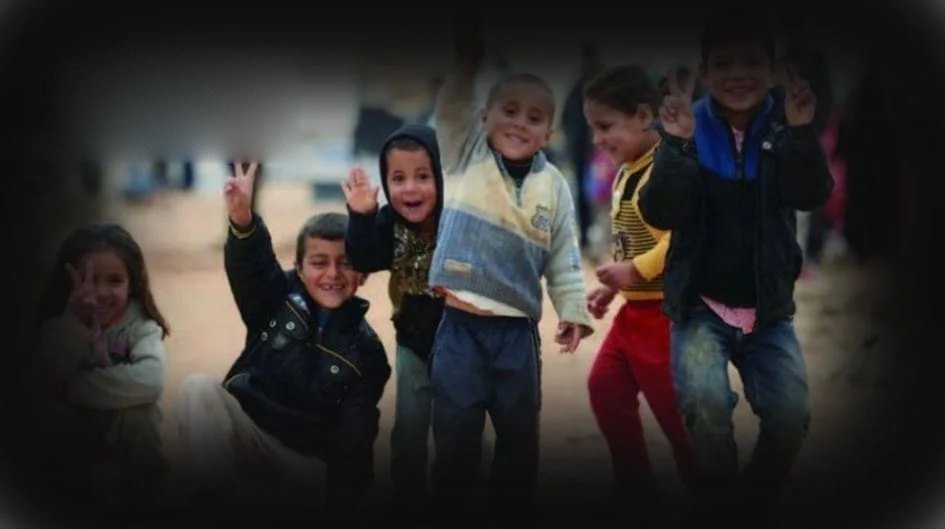
People fleeing Şırnak before the curfew in March 2016, and a child met at a checkpoint. “Navê te çi ye zarok?” What is your name, child? A testimony.
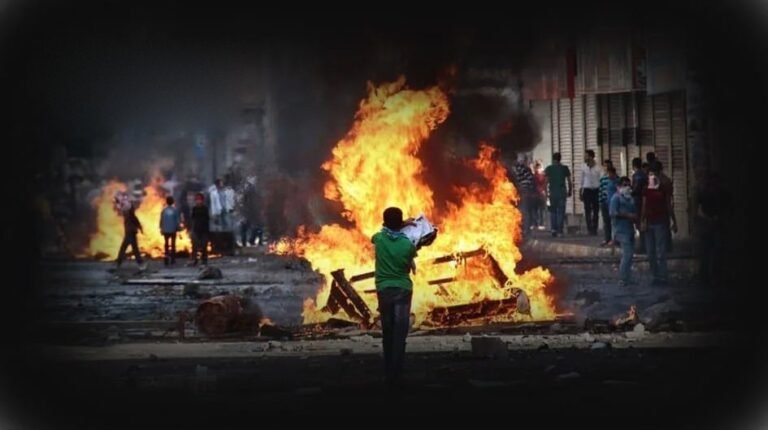
In central Şırnak, on 14 March 2016, before a curfew was declared, people left the city in droves and began to shelter in makeshift tents around Şırnak. The road connecting Uludere to Şırnak had been closed for security reasons, and two main checkpoints had been set up, towards Cizre and towards Uludere.
Because of the car bomb attacks carried out at the time, strict security measures were being taken. The checkpoint set up towards Cizre in particular was a real nightmare. We were not obliged to go through the checkpoint, but I did not at all like granting ourselves a privilege right before people’s eyes. It would not have suited the nature of our duty anyway. On the other hand, waiting a long time because of the vehicles ahead of us was unavoidable.
On a hot day in May, on our way back from Silopi, we were told that the entrances to Şırnak had been closed because of heavy clashes in the centre. We were at the very back of the convoy. On the way there had always been a small hill that caught my attention. The best thing was to park our car at this spot overlooking the city and, while waiting for the road to open, eat the tomatoes and cucumbers we had bought in the town of Kasrik.
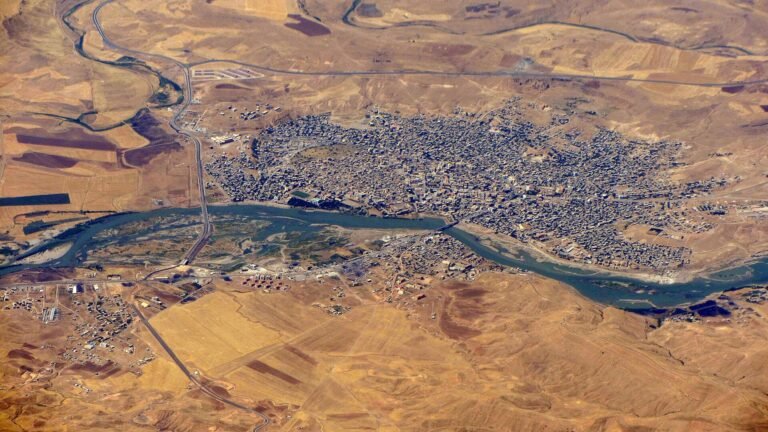
After parking our car on the path leading up the hill, I walked up. Behind the hill I saw two houses, and around the houses a handful of tents. I sat down at the foot of a rock that caught my eye. I could see in the same frame the tents, the convoy stretching five kilometres and the city with smoke rising above it.
I took out my phone right away. After taking a few photos, I noticed two children of about seven down below, next to the tents. The tents were makeshift shelters made of plastic sheeting. Having stayed in tents at base areas for months before, I knew how hard these conditions were. We had managed to overcome those hardships with the means the state provided. The state of these shelters, however, was pitiful.
When the children noticed us, they came towards us. I held out one of the cucumbers I had bought in the Kasrik gorge to each of them. They took them shyly. Just as I asked their names, a violent explosion went off in the city. We flinched. Smoke began to rise from the area of the explosion.
I immediately phoned the branch. They told me that about 400 kg of ammonium nitrate (a homemade explosive) previously placed in the Yeşilyurt neighbourhood had been detonated in a controlled manner.
When I hung up, the children were sitting side by side on the rock in front of me, watching their city with smoke rising above it. My breath caught in my throat. Can you imagine the scene…! Two little hearts were watching their city with anxious eyes. How would you explain it, what would you say? Even if you explained, they would not understand. They do not know Turkish, and I do not know Kurdish.
I have never been able to forget that scene.

In the areas where operations were carried out between 2014 and 2016, the greatest destruction occurred not in the cities but in the psychology of the children. Those who would not let their children watch a film on television because it contained too much violence had no concern for these children.
No one cared about the existence of the children caught between administrators hiding behind the rhetoric of “The PKK came, built barricades, laid IEDs, armed the young people, what should the state do?” and the complaints of “The state came and razed our cities to the ground!” Thousands of children could not go to school for at least two years…
In our childhood we would imitate cowboy films, make wooden pistols and play with them. The children of Şırnak imitated the armed teenage older boys in their neighbourhoods, made guns from sticks and played with them. You guess who the enemy in their games was.
My eldest son loves rap music and listens to it a lot. When he read the article, he said: “There’s a track by Ceza called ‘Savaş Çocukları’ (Children of War), Dad.” Let me end the article by inviting you to listen to this track about what war takes from children’s lives.
Monthly · free
Compass of the Month
PUGAT’s monthly newsletter.
Read next

What is PUGAT? A non-profit community publishing independent analysis from Europe on security, migration and society in Turkish, German and English.
Go to the homepage
