

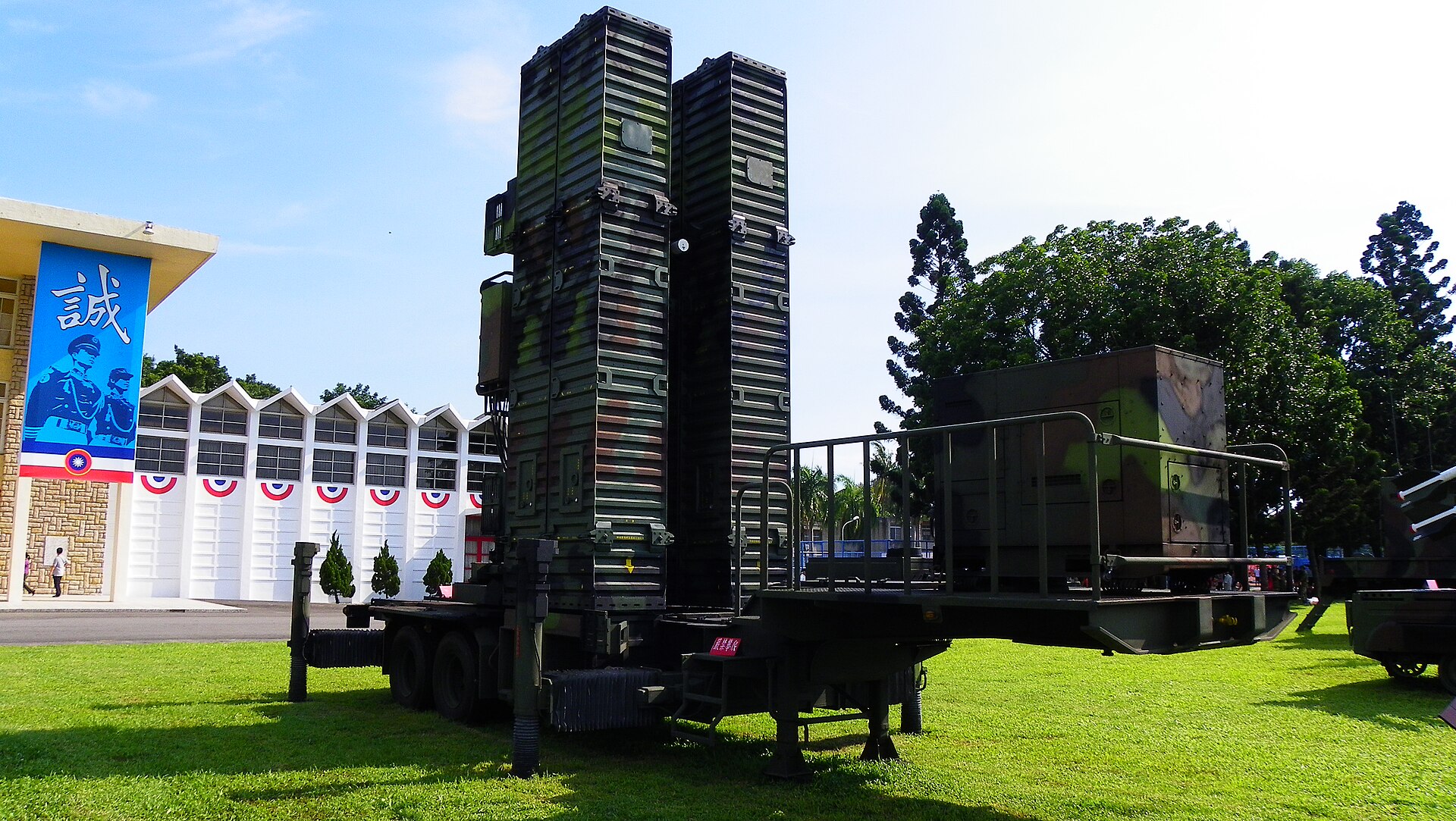
From the telegraph to radar, from GPS to AI: weapon systems are now defined more by software than by hardware. The lines of code in fighter jets multiply with every generation.
Today it has become almost impossible to imagine a device without software. Likewise, weapons are evolving as part of software processes. Looking at the history of defence technologies, we see that they were initially based on telegraph, radio and radar technologies.
Over time, the use of weapon systems is evolving towards GPS-assisted maps and tablets for tracking operations. With artificial intelligence technologies entering the game, this evolution is expected to accelerate. A November 2023 report by Germany’s Federal Ministry of Defence stresses that the use of AI in the defence industry is inevitable in future.[1]
The report notes that, as in civilian industry, the defence industry too will see a shift in focus from hardware to software.
Defence software is growing rapidly every year in terms of the amount of code. For example, while the F-16 fighter used thousands of lines of code in the 1980s, the F-22 Raptor, introduced in 2005, used about 1.7 million lines of avionics code, and the fifth-generation F-35 Lightning II Joint Strike Fighter uses about 24 million lines of source code, a fourteen-fold increase over the F-22 (this figure, however, includes ground support systems; the code on board the aircraft itself is about 8 million lines).[2]
With millions of lines of source code, these systems demonstrate the increasingly integral role of software. Software plays an important role in upgrading existing capabilities and building next-generation combat networks. Offering rapid adaptability through continuous updates, software, together with human input, plays a critical role in developing military capabilities.
Software-Defined Defence (SDD)
We are in a period when the demands placed on military vehicles are changing. What is now in demand is software that increases the functions available in vehicles. In the arms industry, the SDD approach means that the functions and capabilities of weapon systems are increasingly defined, developed and updated through software. Technological progress in software outpaces the traditional hardware-based military approach, enabling faster adaptation and continuous improvement of functions.

Defence capabilities that generate large amounts of data require robust data centre architectures and mature data management systems. Software-defined defence prioritises real-time data sharing, which makes a shift from network-centric to software-centric approaches necessary.
The Service Life of Systems
Under the SDD approach, every system is designed with a modular architecture, and all systems are planned to be fully compatible with one another. Software allows hardware to gain new capabilities without complex, lengthy and costly modifications. Software therefore extends the service life of all systems and can continually widen their range of applications.
In addition, shorter development times for updates, lower costs and a longer service life increase the lifespan of software-based vehicles and equipment. Thanks to software updates, devices can be used for longer, as can easily be seen with today’s mobile phones.
Cybersecurity Risk
The software-centric approach is built on a fixed pipeline running from software developers to the system. This means connecting all systems to the cloud so that weapon-system software can be continuously adapted and deployed. This, however, brings new cybersecurity risks. Many experts in the field nevertheless argue that a modular architecture and a fixed data pipeline make it possible to counter these risks more quickly.

As systems grow, complying with norms and standards becomes difficult. As the complexity of systems increases, a single software error can lead to wide-ranging problems. Non-digital systems also have to be integrated into this structure. This approach is therefore a continuous process of development rather than a finished success.[3]
The Defence Industry and R&D
As in civilian examples, the defence industry is shifting to a paradigm of software-driven development. A software-centric perspective has great potential and will become the focus of future defence projects. For this approach to be implemented successfully, however, the armed forces must adapt their requirements and certification processes to these new opportunities.
In conclusion, weapons, vehicles and equipment produced under the software-defined defence approach will play an important role in defence projects and underline software’s key role in shaping military capabilities. This approach, in which software and hardware work together, will be adopted more widely in the defence industry in future.
Conclusion
The importance of software in the defence industry is growing by the day. The software-driven evolution of weapon systems offers faster adaptation and continuous improvement than the traditional hardware-based approach.
By designing weapon systems in a modular way, the software-centric approach extends their service life and makes it possible to integrate new capabilities cost-effectively. This transition, however, also brings cybersecurity risks and compliance challenges.
The armed forces need to adapt to software-centric development and update their certification processes. In the end, by advancing with software-based tools and systems, the defence industry will become more effective, faster and more adaptable in future.
Sources
- BMVg – Experten fordern „Software Defined Defence“ bmvg.de
- IISS – Software-Defined Defence (2023) iiss.org
- Christian Hübenthal, „Die Logik softwarezentrierter Rüstung“, Europäische Sicherheit & Technik, 2/2024, p. 90.
- Bundesministerium der Verteidigung bmvg.de
Monthly · free
Compass of the Month
Once a month: five points from Europe’s security and migration agenda and the month’s PUGAT articles, in your inbox.
Newsletter sign-up opens soon.
Read next



What is PUGAT? A non-profit community publishing independent analysis from Europe on security, migration and society in Turkish, German and English.
Go to the homepage
