

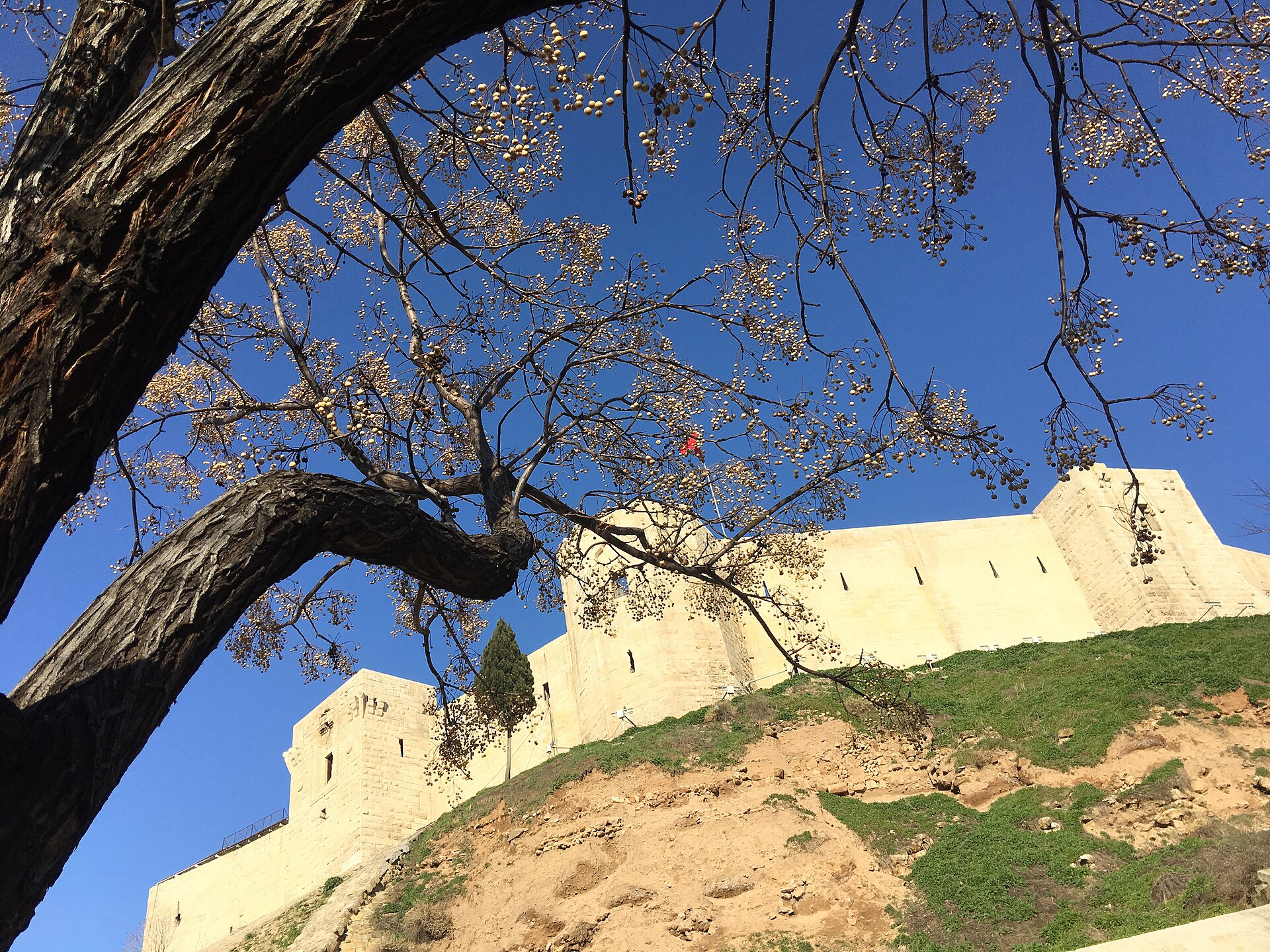
Syrian migrants were set to be one of the main issues of the 2023 elections. The author assesses the government’s open-door policy and the legal status of the migrants.
As a result of the Syrian war that broke out in 2011, Türkiye had its share of the problem on an unprecedented scale, and it seems this will be one of the main issues of the 2023 general elections.
The government’s inconsistency in foreign policy, its ‘‘ummah-centred’’ approach, its “open-door” attitude towards the borders and its vote-seeking calculations in domestic politics are in themselves both the cause and the result of this problem. Of the more than 5.5 million Syrians who left their country after the devastating war, about 1 million took refuge in Europe and 1 million in other neighbouring countries, while Türkiye, hosting more than 3.5 million, has with these figures become the country hosting the most ‘‘migrants’’ in the world.
Update (November 2026): Returns to Syria accelerated after the fall of the Assad regime in December 2024. According to the Presidency of Migration Management, the number of Syrians under temporary protection fell below 2.5 million in 2025.

First of all, we must say that the position and status of these people cannot be defined as refugees, asylum seekers or stateless persons; in general terms they are “migrants” and in legal terms they should be “persons under international protection” or “persons under temporary protection”. I should also say at the outset that I do not consider emotional or religious expressions such as “guest” or “muhajir”, which have no legal or official basis, to be correct.
When it became clear that the Syrians, who were expected to return to their country soon, were here to stay, it was important to prepare and enact a comprehensive migration law instead of legislation that did not meet existing needs. However, the number of asylum seekers and the problems it brings are so great that this regulation also fell short of solving the Syrian problem.
In this article I will first address the basic problems Syrian migrants face, such as work, health and education, and then list my proposals for solutions.

Problems
- First of all, in a country like Türkiye, where unemployment exceeds 11% (19.3% among young people), the presence of 3.5 million Syrians brings serious problems. Employers see Syrian migrants as cheap labour, especially in sectors such as construction, textiles and agriculture. As a result, Syrians face economic problems, and more than half of the country’s citizens think that Syrians are taking their jobs.
- A large proportion of the millions of Syrians living across the country on their own means face serious housing problems. Apart from the small number of migrants staying in camps, a large group tries to live in houses rented at prices far above their value.
- Syrians, more than half of whom are women and children, face serious difficulties in education and language learning. Children who do not go to school are certainly at greater risk of abuse and ill-treatment and will not be able to complete their physical and psychological development. It must be foreseen that uneducated Syrian children, who will become a “lost generation”, will cause serious problems in areas such as crime and employment in the future.
- The number of those without health insurance is also considerable, and most asylum seekers face problems in hospitals, communication above all.
- News that many Syrian children have been abused or married off at a young age also appears in the media. The abuse scandal that emerged in the camp visited by Angelina Jolie and reports that at least 5,000 men in Kilis alone married Syrian women are examples.
Apart from the problems Syrian migrants face, a mountain of problems that will confront the country in the future also lies before us. When asylum seekers corresponding to 5 per cent of the population are added to the painful process the country is going through, citizens’ reactions are naturally harsh. These reactions at times fuel racism and lead to provocative situations that threaten social peace, as in the statements of the Mayor of Bolu and the Chairman of the Victory Party reported in the media.
Since an end to the war in Syria and the return of Syrians to their country do not seem possible in the short term, unless urgent measures are taken, social problems far more serious than locals stoning aid trucks carrying bread to Syrians in Ankara’s Altındağ district to prevent the aid are likely to arise.
Solutions to the problems should therefore be long-term and permanent, based on the assumption that Syrians will live in the country for many years rather than as “guests” or temporarily.
Proposals for Solutions
My answer to the question of how the Syrian migrant problem, or the resulting wave of migration, can be better managed is briefly as follows:
- Türkiye must remedy this unequal and unjust situation by pressing countries around the world, especially in Europe, and international organisations to reduce and share its burden. The policy of cashing EU funding cheques cannot be sustained permanently.
- The open-door policy must be abandoned, or at least the already very high number must be prevented from growing.
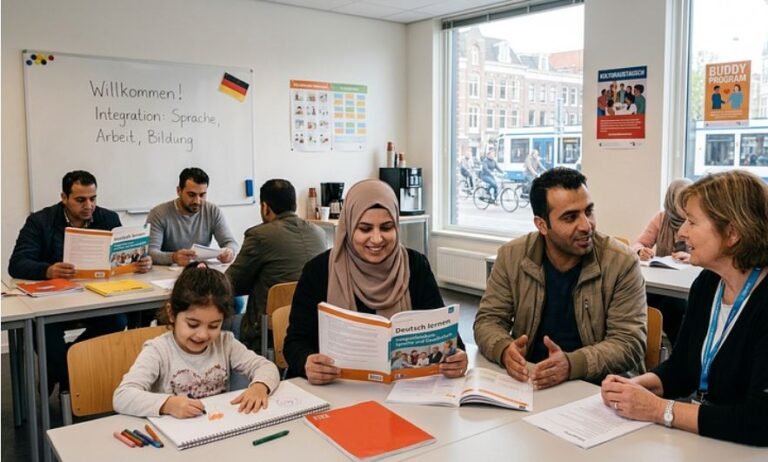
- The most important and urgent solution is to make integration processes effective, above all in language and education. This reality must be faced urgently without waiting for the migrants to return to their countries. Priority must be given urgently to education, language courses and vocational courses. Learning Turkish, especially for women and children, will ease and speed up their integration into society. Not only state schools but also civilian volunteers should be mobilised, and supportive tools such as ‘‘language cafés and language coaching’’ should be used.
- Informing the public about the particular situation of migrants and refusing to reward ‘‘racist or fascist’’ approaches should be treated as an important agenda item, and any rhetoric involving intolerance should be avoided.
- The government should set aside its ‘‘ummah-centred’’ view of refugees and emotional, populist and political rhetoric based on religion and faith, such as ‘‘brotherhood in faith’’ and ‘‘hijra’’.
- Because the civil codes of Türkiye and Syria differ, Syrian women need to be informed about polygamy and civil law, and it should be explained that the Turkish Civil Code does not permit polygamy.
- Psychological support should be provided, above all to women and children who have been victims of sexual violence, and women and children should be empowered to take part in civil life.
- Renting unhealthy housing to migrants at high prices should be prevented, the necessary arrangements should be made so that asylum seekers can live in dignity, and legal provisions should be introduced to punish those who exploit this situation.
- Syrian migrants should be distributed within society to prevent ghettoisation.
- Constructive messages should be sent to politicians and civil society, so that the issue is not exploited in domestic politics but recognised as a main agenda-setting factor.
- Past examples, especially the situation of European countries that have long had this issue on their agenda, should be analysed carefully. Good practices should be adapted to migration policy.
Conclusion
Universal rules of international law must be applied to Syrian migrants, and sensible solutions on which there is consensus must be developed. A humane and rational new migration policy must be developed, and the solutions given above as examples must be implemented effectively and stepped up gradually. Otherwise, Türkiye, already struggling with dozens of problems relating to ‘‘migration’’, will face far greater problems in the years ahead.
Monthly · free
Compass of the Month
PUGAT’s monthly newsletter.
Read next

What is PUGAT? A non-profit community publishing independent analysis from Europe on security, migration and society in Turkish, German and English.
Go to the homepage
