

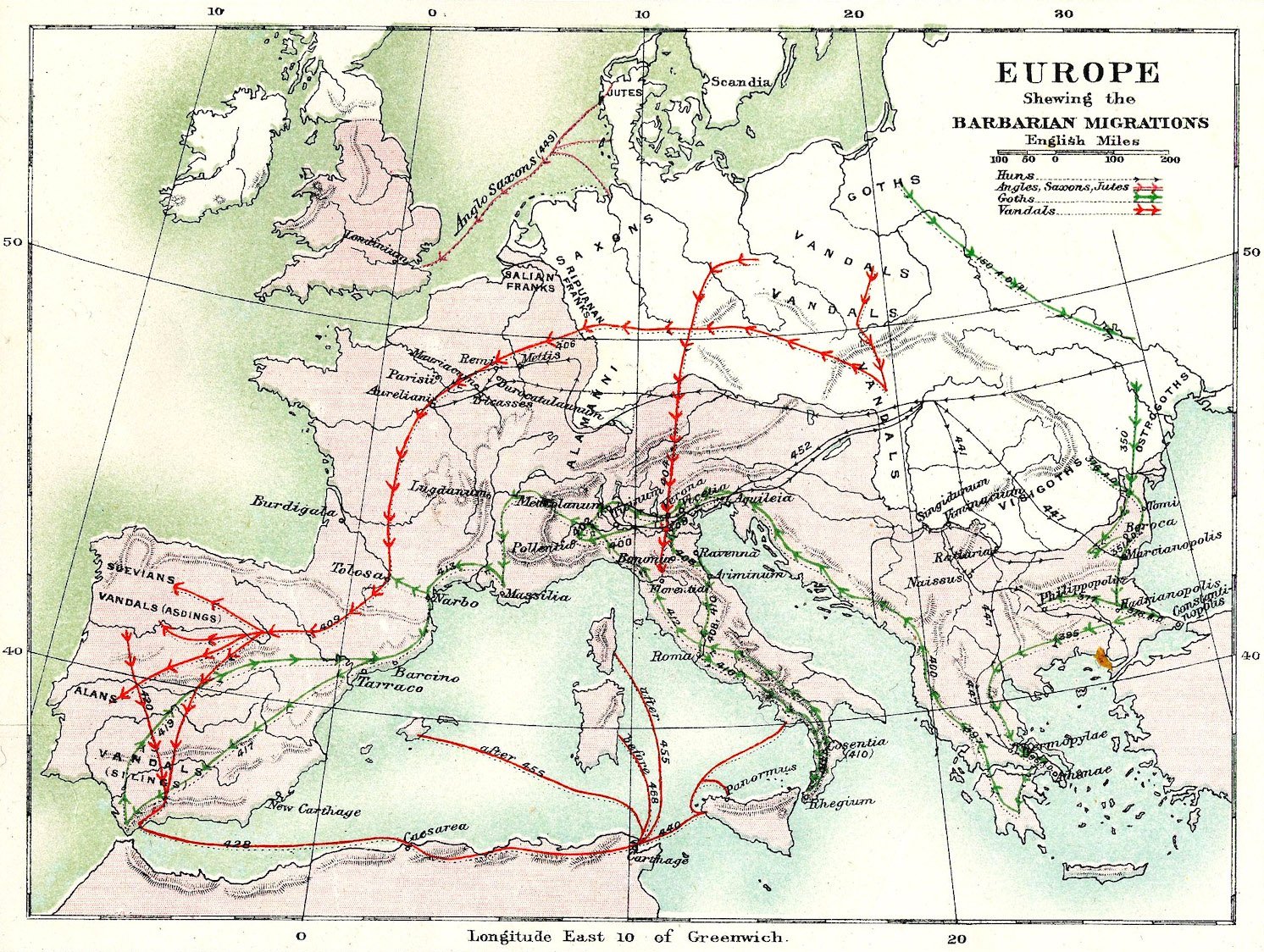
Almost every era begins or ends with a migration. The author asks why people who have lost hope leave their countries and what brain drain costs a country.
The world is built on migration. Almost all revolutions and eras have either begun or ended with a migration.
People who are directly or indirectly affected by the conditions around them and no longer have any hope where they are have, as soon as they found the chance, migrated to other countries where they could express themselves better or have better opportunities. The reasons forcing people to migrate are not only economic but also political and social. Unemployment, fear of the future, loss of faith in justice, feeling worthless or not getting the reward for one’s work are just a few of them.
Just as investors and owners of capital do not stay where there is no confidence in the economy, so too do well-equipped and trained people leave places without democracy and freedom, or environments where they feel worthless.
Along with the rest of the world, in Türkiye too we have recently been constantly coming across news of migration. Students going abroad to study, workers overwhelmed by economic problems, those leaving the country for political reasons, those sent into exile, doctors, engineers, software developers and IT specialists seeking the value they deserve in other lands…
The wish to study abroad and then settle there has spread down to high schools. While in 2012 only 59 doctors applied with the aim of moving abroad, in 2021 this number approached 1,400. The situation is no different for engineers. Türkiye, in the words of Boğaziçi University professor Lale Akarun, “trains these people and serves them abroad on a golden tray”.
University professors are tired of responding to requests for reference letters from students who want to continue their education abroad. I know lawyers and psychologists who want to continue their lives abroad even though they know they can start practising their profession in another country only after at least five years.
Sometimes these migrations take place by first-class flights or yachts to another country. In the new country, where million-dollar investments have been made, a ready-made house, a car, a ready circle of contacts and a job await them. In the last three years, 10,000 millionaires and 13,000 entrepreneurs and business people have left Türkiye.
Others leave the country with hard-won means, and those with political problems even by illegal routes on a refugee boat.
While those on the floor of the rich gather all their capital and go abroad, those on the lower floors leave all their savings behind. Some take part in the “brain drain”; others, such as bureaucrats, security professionals or lawyers whose “value lies more in their own country”, leave all their experience behind.
Everyone has a dilemma in their mind about staying or leaving. Sometimes my former students or friends who have stayed in Türkiye are curious about my views on this. Setting aside the political pressure I was subjected to, I tell them the criterion on which my own decision to migrate was based:
“When the country has nothing left to give you, and you have nothing left to give the country, there is no point in staying there!”
Although the political authorities in Türkiye tell tales of a “reverse brain drain”, and although those who migrate are accused of being “traitors who did not stay and fight for their country”, or statements are made such as “It is we who do not want them in our country”, there is one fact. The country is, in the full sense of the word, losing its future and its trained, qualified workforce. It is said that the material loss caused by the “brain drain” of the last three years amounts to almost half of total foreign debt, that is, at least 220 billion dollars. Worse still, with its side effects and intangible values, the real loss is much greater.
We said that the world is built on migration.
How much of the enormous migration Türkiye has experienced in recent years will return to the country in the future is unknown. Nevertheless, we must see that the country’s current oppressive climate affects not only today, but through this and similar ways also its future.
What kind of eras and periods this wave of migration will open the door to in the future, and what role it will play in the new world balance, will be seen when the ancient book called “The Village in Sight Needs No Guide” is taken up and its cover opened.
Monthly · free
Compass of the Month
PUGAT’s monthly newsletter.
Read next

What is PUGAT? A non-profit community publishing independent analysis from Europe on security, migration and society in Turkish, German and English.
Go to the homepage
